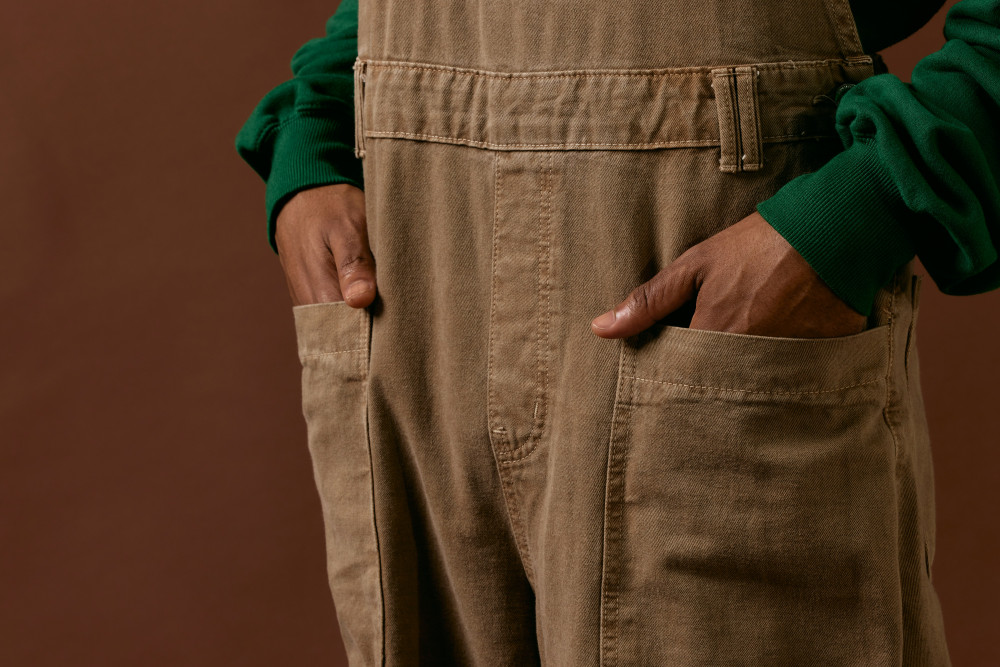
Work Pants with Freedom of Movement – How Cut and Construction Make the Difference


Work Pants with Freedom of Movement – How Cut and Construction Make the Difference
When your job keeps you on your feet, climbing ladders, kneeling, or reaching overhead, freedom of movement isn’t a luxury—it’s a necessity. Work pants need to be tough enough to handle daily wear and tear, yet flexible enough to move with your body. That’s where cut and construction make all the difference. Today’s workwear is engineered with the same attention to ergonomics and performance as athletic apparel, combining durability, comfort, and mobility.
From Stiff Canvas to Flexible Workwear
Not long ago, work pants were made from heavy cotton canvas—durable, yes, but stiff and unforgiving. Modern designs have changed that. By blending rugged materials with stretch fabrics and smart tailoring, manufacturers have created pants that protect without restricting. Reinforced seams, stretch panels, and articulated knees allow the fabric to move naturally with your body instead of against it.
That means you can crouch, bend, or climb without feeling pinched or held back. For tradespeople, mechanics, landscapers, and DIYers alike, this isn’t just about comfort—it’s about working efficiently and safely.
The Cut – When Fit Works with the Body
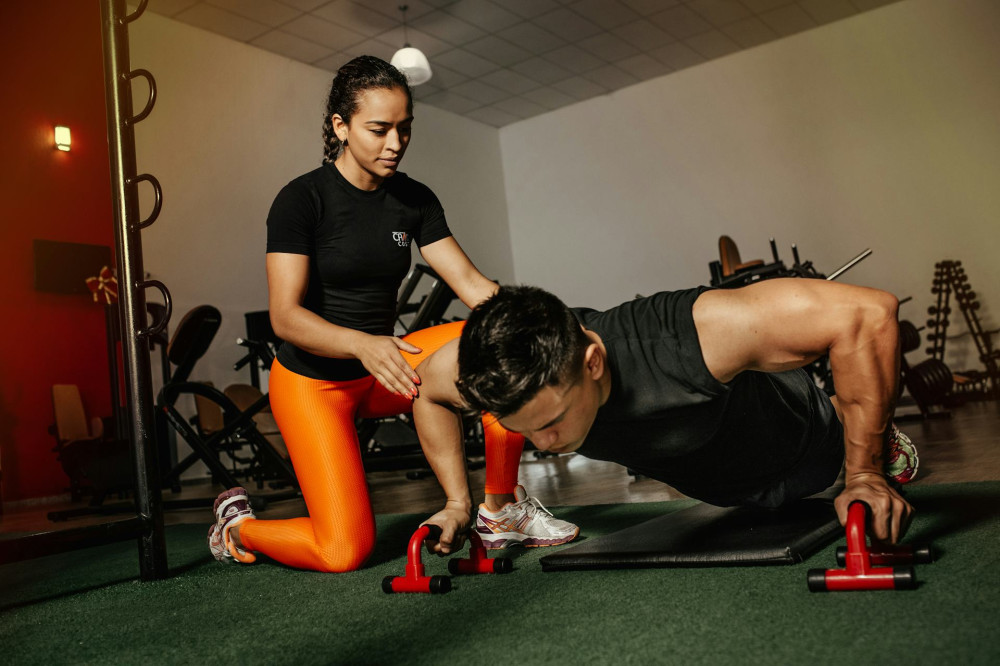
A great fit is the foundation of freedom of movement. Many modern work pants feature pre-bent knees and ergonomic paneling that follow the body’s natural motion. This reduces tension in the fabric and prevents the pants from riding up or pulling tight when you move.
The waist design also plays a key role. A slightly higher back rise and elastic inserts at the sides help the pants stay in place when you bend or stretch. These small details make a big difference during a long workday.
The Materials – Flexibility Without Compromise
Material choice is crucial. Today’s work pants often use fabric blends of cotton, polyester, and elastane to combine strength with stretch. Some models feature 4-way stretch for full mobility in every direction, while others use 2-way stretch strategically in high-movement zones like the seat, knees, and crotch.
Reinforcements made from Cordura® or similar abrasion-resistant fabrics protect high-wear areas such as knees and pockets. The goal is to balance toughness and flexibility—so your pants last without feeling stiff.
The Construction – Seams, Panels, and Details
Construction isn’t just about how the fabric is cut—it’s about how it’s put together. Flat seams reduce chafing, while triple stitching adds strength where it’s needed most. Many designs include a gusseted crotch, eliminating a common weak point and allowing for a wider range of motion.
Pocket placement also matters. When pockets are positioned to stay out of the way while kneeling or sitting, the pants feel more natural to wear. It’s a perfect example of how thoughtful design enhances both function and comfort.
Comfort in Real-World Testing
The best work pants are developed in collaboration with the people who actually wear them—carpenters, electricians, and other professionals who test them on the job. Their feedback helps refine the design so that every seam, panel, and pocket serves a purpose. The result is gear that doesn’t just look ergonomic—it performs that way.
Many brands now offer multiple fits—slim, regular, and relaxed—so you can choose the style that best matches your body type and work environment.
Choosing the Right Pants for Your Work
When selecting work pants, think about how you move throughout the day. If you spend a lot of time kneeling, look for articulated knees and knee pad pockets. If you carry tools, choose pants with reinforced pockets and balanced weight distribution. For outdoor work, water- and wind-resistant fabrics can make a big difference in comfort.
Always try them on and move around—squat, stretch, climb. That’s the best way to tell if the cut and construction truly deliver the freedom of movement you need.
Læs også:

The Future of Work Pants – Technology and Sustainability
Innovation in workwear isn’t slowing down. New materials and production methods are making it possible to create pants that are both more flexible and more sustainable. Recycled fibers, eco-friendly coatings, and smarter design processes are becoming standard in the industry.
At the same time, smart textiles are emerging—fabrics that can regulate temperature or provide targeted support where your body needs it most. The work pants of the future won’t just protect you—they’ll actively help you perform at your best.
Læs også: