Flexible Pockets – Small Details, Big Difference in Freedom of Movement

Flexible Pockets – Small Details, Big Difference in Freedom of Movement
When we talk about comfort and freedom of movement in clothing, most people think about fabric, fit, and cut. But often, it’s the small details that make the biggest difference—like the pockets. Flexible pockets aren’t just a practical feature for storage; they can define how a pair of pants feels and performs throughout the day. From workwear to casual and activewear, the placement, depth, and stretch of the pockets all play a role in shaping both functionality and freedom of movement.
The Hidden Importance of Pockets
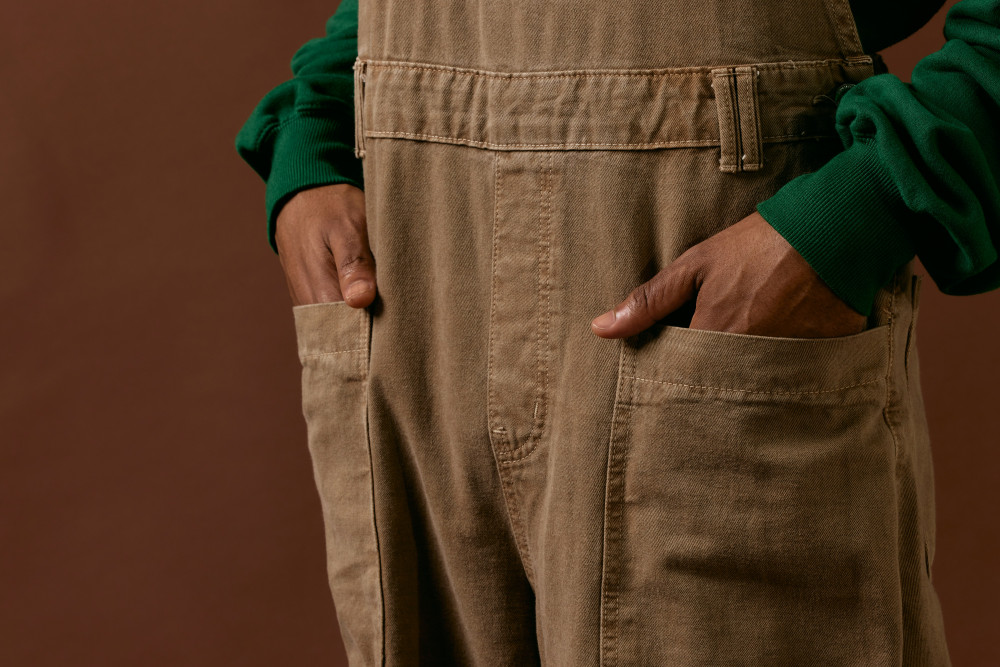
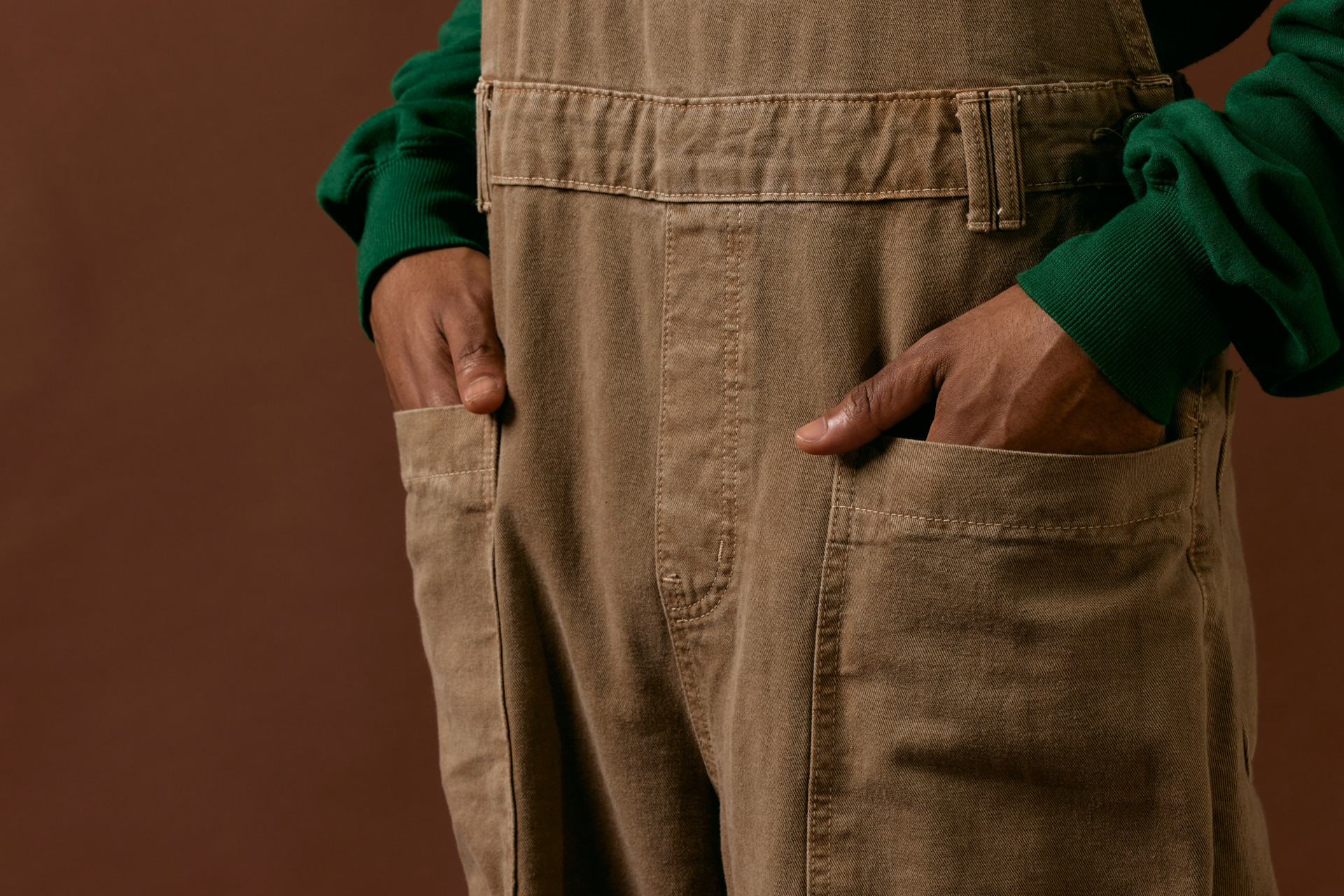
A pocket is never just a pocket. It can be sewn on, inset, angled, vertical, zippered, or elasticized—and each type affects how the pants move with your body. A stiff or poorly placed pocket can pull at the fabric when you sit or bend, while a flexible pocket moves naturally with you, maintaining comfort and shape.
In modern design, pockets are increasingly treated as an integral part of a garment’s movement pattern. That means they’re not only expected to hold your phone or keys but also to maintain comfort whether you’re commuting, working, or heading out for a walk.
Materials That Move With You
Flexible pockets are often made from stretch materials—such as spandex blends or woven fabrics with natural elasticity. This allows the pocket to expand as you move and contract again when you’re still. It also helps prevent bulging or sagging over time.
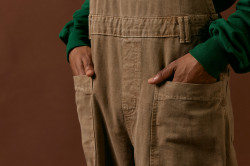
In workwear and outdoor pants, designers often use reinforced yet flexible fabrics that combine durability with mobility. That way, you can carry tools or gear without feeling weighed down or restricted.
Design That Follows the Body
Pocket placement matters just as much as material. Angled front pockets offer easy access, while slightly slanted back pockets can make movement smoother and prevent fabric from tightening. In athletic wear, pockets are often positioned higher or closer to the side of the hip to avoid interference during activity.
Some brands are now using 3D design techniques to shape pockets according to the body’s natural movement. Instead of lying flat, these pockets are built into the garment’s ergonomic structure, resulting in a more dynamic and comfortable fit.
Smart Solutions for Everyday Life
As our daily routines blend work, leisure, and activity, the need for flexible clothing has grown. Many modern pants combine classic style with functional pockets that can hold everything from smartphones to keys—without ruining the silhouette.
- Elastic openings keep items secure, even when you’re on the move.
- Hidden zippers create a clean look while preventing small items from slipping out.
- Stretch panels around the pockets make the pants feel lighter and move naturally with your body.
These details may seem minor, but they make a noticeable difference—especially if you wear your pants for long hours.
Læs også:
When Function Meets Style
Flexible pockets were once associated mainly with practical or technical clothing, but today they’re part of mainstream fashion. Designers are finding ways to integrate functional details seamlessly into stylish designs. The result: pants that look sharp and feel great—whether you’re at the office, on your bike, or on the go.
Modern consumers expect more from their clothes. They want garments that adapt to their bodies and their lifestyles. Flexible pockets are a perfect example of how thoughtful design can enhance both comfort and freedom of movement.
A Small Detail With a Big Impact
Next time you try on a pair of pants, pay attention to the pockets. How do they feel when you sit, walk, or stretch? Do they move with you or hold you back? That’s often where you’ll notice the difference between pants that simply fit—and pants that truly work.
Flexible pockets prove that comfort and functionality don’t have to be visible to be essential. They’re the kind of detail that makes you forget you’re even wearing the clothes—and that might just be the highest compliment a pair of pants can receive.
Læs også: