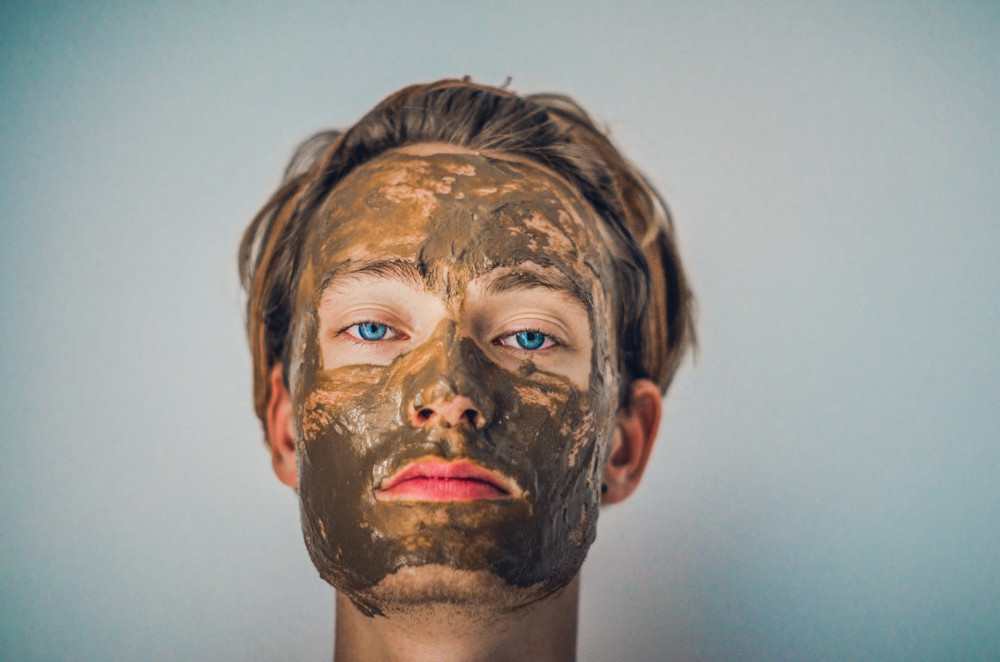
Traditional Beauty Rituals in Modern Interpretations

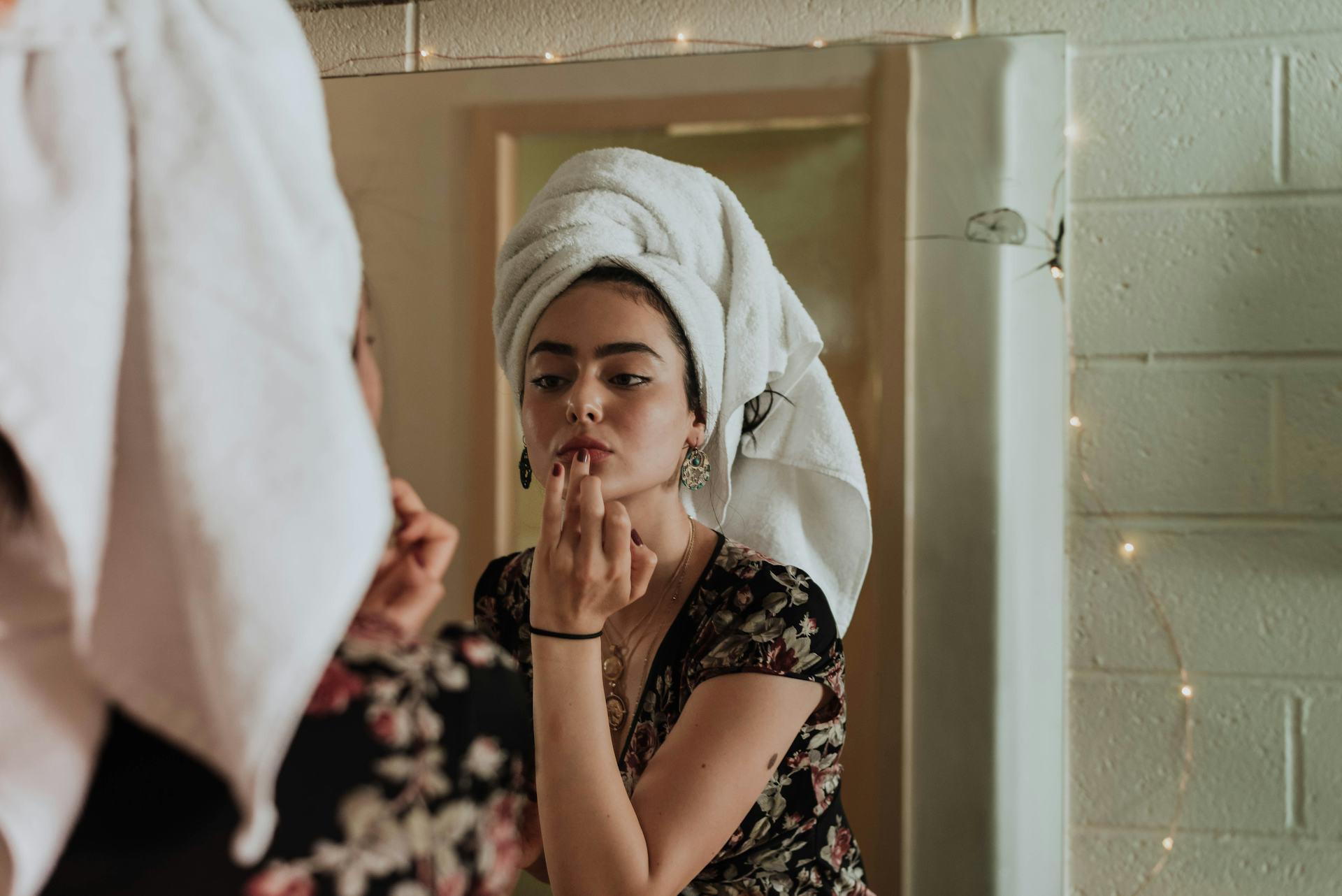
Traditional Beauty Rituals in Modern Interpretations
In an era where the beauty industry is driven by innovation, technology, and ever-changing trends, many people are turning back to the wisdom of the past. Traditional beauty rituals—from Indian Ayurvedic practices to Native American herbal remedies—are being rediscovered and reimagined for the modern world. These ancient methods are no longer seen as quaint traditions but as sustainable, natural, and meaningful alternatives to mass-produced beauty routines.
Beauty Rooted in History
Across cultures and centuries, beauty rituals have reflected a deep connection between people, nature, and identity. Ancient Egyptians used oils and minerals to protect their skin from the desert sun and to express social status. In Japan, women rinsed their hair with rice water for shine and strength. Indigenous peoples of North America used plants like sage, sweetgrass, and cedar not only for cleansing but also for spiritual balance.
Today, these rituals are being revived with a modern twist. They are translated into contemporary products and routines that emphasize authenticity and origin. For many consumers, beauty is no longer just about results—it’s about connection, story, and heritage.
Nature’s Ingredients, Reimagined
One of the strongest trends in modern beauty is the return to clean, natural ingredients. Brands are drawing inspiration from traditional recipes while combining them with modern science and dermatological research.
- Argan oil from Morocco remains a beloved moisturizer, now found in everything from hair serums to facial oils.
- Turmeric and sandalwood, staples of South Asian beauty, are being incorporated into masks and serums for their anti-inflammatory properties.
- Native American botanicals like yucca, sage, and juniper are inspiring new lines of skincare that honor indigenous knowledge and sustainable harvesting.
- Green tea and ginseng, long used in East Asia, have become global favorites for their antioxidant benefits.
This blending of tradition and innovation ensures that ancient rituals are not simply replicated but evolved—often with a focus on ethical sourcing, transparency, and environmental responsibility.
Rituals as a Moment of Calm
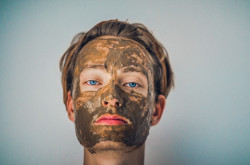
In a fast-paced, digital world, beauty rituals are also becoming a form of mindfulness. Modern interpretations often emphasize the experience itself: the warmth of a facial steam, the slow massage of oil into the skin, or the soothing scent of herbs in a bath. These moments of care offer a pause—a way to reconnect with oneself.
The growing “slow beauty” movement mirrors the philosophy of slow food. It encourages people to take time, choose consciously, and view beauty as a process rather than a quick fix. In this way, ancient rituals meet modern wellness, offering both physical and emotional nourishment.
Global Inspiration, Local Adaptation
While many beauty rituals originate in specific cultures, they are now interpreted across borders. American brands are increasingly inspired by global traditions—from Korean fermentation techniques to African shea butter—but adapt them to local values and ingredients.
This global exchange also raises important questions about respect and cultural appreciation. Experts emphasize the need to acknowledge the origins of these practices and the communities that have preserved them. When shared thoughtfully, traditional beauty rituals can foster understanding and connection rather than appropriation.
Læs også:
Beauty as a Bridge Between Past and Future
The modern reinterpretation of traditional beauty rituals reminds us that beauty is not just about appearance—it’s about identity, culture, and sustainability. By combining ancient wisdom with contemporary knowledge, we can create a more conscious approach to self-care—one that honors both nature and history.
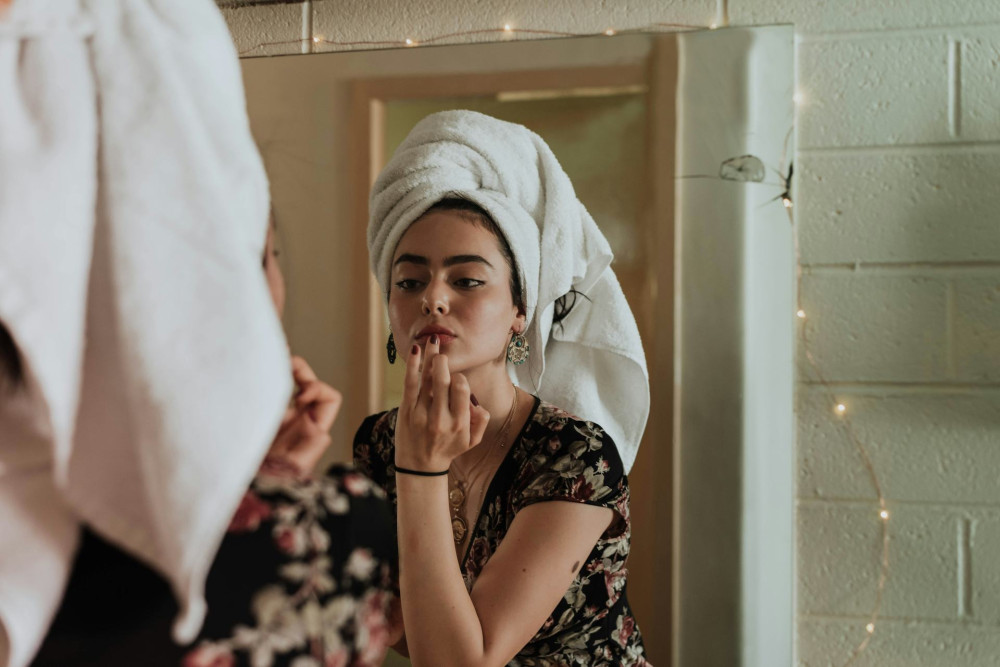
When we apply oil to our skin, brew an herbal rinse for our hair, or take a quiet moment in front of the mirror, we are continuing a lineage that stretches back thousands of years. Beauty, in this sense, becomes more than a routine—it becomes a bridge between past and present, between body and spirit.
Læs også: