Think Sustainably: Choose Shoes Made from Durable and Responsibly Produced Materials


Think Sustainably: Choose Shoes Made from Durable and Responsibly Produced Materials
Shoes are an essential part of everyday life — most of us wear them from morning to night, in every season. Yet few people stop to think about the environmental impact of footwear. Producing shoes requires large amounts of energy, water, and chemicals, and many pairs end up in landfills after only a short time. The good news is that as a consumer, you have the power to make more sustainable choices. Here’s how you can take a greener step when buying your next pair of shoes.
Why Shoes Leave a Carbon Footprint
A typical pair of shoes is made from a mix of materials — leather, rubber, foam, textiles, and adhesives — often sourced from different parts of the world. This makes production complex and resource-intensive. Leather tanning can involve heavy water use and chemicals, while synthetic materials like polyester and polyurethane are derived from fossil fuels and can shed microplastics.
Transportation also adds to the footprint, as shoes are often shipped long distances before reaching store shelves. All of this contributes to significant CO₂ emissions. That’s why it’s important to consider materials, production methods, and durability when choosing footwear.
Choose Durable Materials
One of the most sustainable choices you can make is to buy shoes that last. The longer a pair of shoes stays in use, the fewer new ones need to be produced.
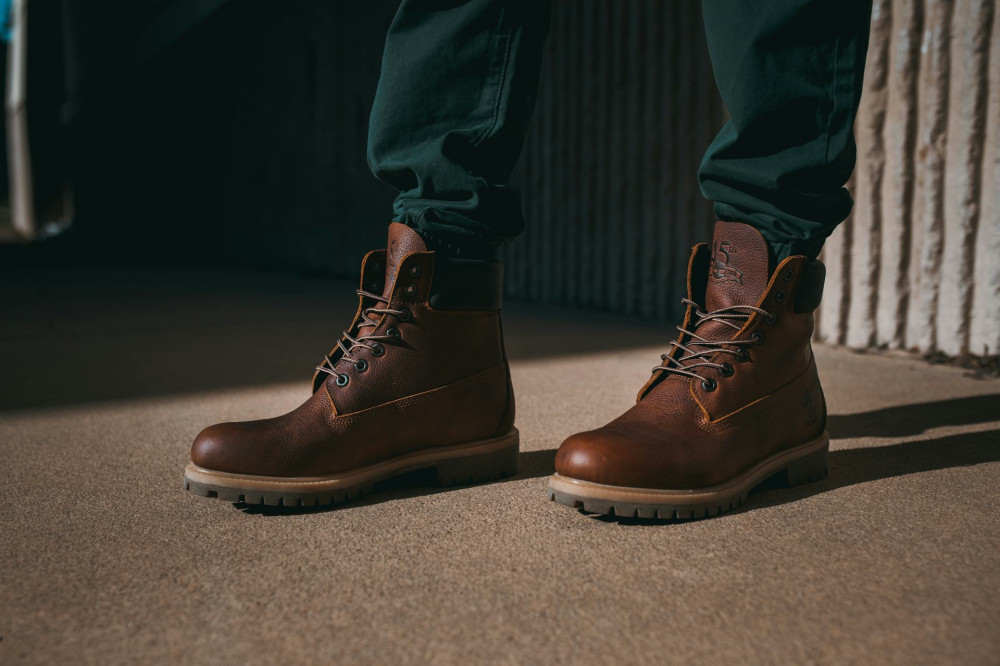
- Leather can be a good option if it’s tanned without harmful chemicals and sourced responsibly. It’s durable, repairable, and can last for years with proper care.
- Natural and recycled rubber are often used for soles and can be more eco-friendly than synthetic alternatives.
- Organic cotton, hemp, and linen are natural fibers that require fewer pesticides and less water than conventional cotton.
- Recycled materials, such as repurposed plastic bottles or leftover textiles from clothing production, are increasingly used in modern footwear — a smart choice if the quality is high.
When you pick up a pair of shoes, check how they feel: Are the seams strong? Do the soles seem sturdy? These are signs of durability — and sustainability.
Læs også:


Look for Certifications and Transparency
Many brands now highlight their sustainability efforts, but it can be hard to tell who’s truly making a difference. Certifications can help you identify responsible production:
- Leather Working Group (LWG) – certifies tanneries that meet strict environmental standards.
- Global Organic Textile Standard (GOTS) – ensures organic and socially responsible textile production.
- Fair Trade – guarantees fair wages and safe working conditions.
- B Corp – recognizes companies that meet high standards for social and environmental performance.
Transparency is also key. Brands that openly share information about their materials, suppliers, and manufacturing processes are often the ones genuinely committed to sustainability.
Buy Fewer, Better Shoes
Sustainability isn’t just about what shoes are made of — it’s also about how many we buy. Many Americans own more pairs than they actually wear. By investing in fewer, higher-quality shoes, you can significantly reduce your environmental impact.
Choose timeless designs that fit multiple occasions and that you’ll enjoy wearing for years. Think sturdy leather boots, classic sneakers, or well-made dress shoes that can be repaired instead of replaced.
Take Care of Your Shoes
Even the most sustainable shoes lose their value if they’re not properly maintained. With a little care, you can extend their lifespan considerably:
- Clean and condition your shoes regularly to keep them looking good and resistant to wear.
- Use shoe trees and a shoehorn to maintain their shape.
- Have soles and heels repaired by a cobbler instead of throwing the shoes away.
- Store them in a dry, ventilated space to prevent damage.
Caring for your shoes is both environmentally and financially smart — and there’s something satisfying about keeping a favorite pair going season after season.
New Alternatives: Recycling and Circular Design
More brands are introducing take-back programs, allowing customers to return worn-out shoes for recycling or resale. Some are experimenting with circular designs, where shoes can be disassembled and their materials reused in new products.
You can also contribute by buying secondhand shoes in good condition — especially classic styles that can be cleaned and restored. It’s an easy way to save resources and give footwear a second life.
A Step in the Right Direction
Choosing sustainable shoes isn’t about being perfect — it’s about making conscious decisions. Every time you pick a pair made from responsibly sourced, durable materials, you’re helping reduce waste and support better production practices.
So next time you’re shopping in-store or online, take a moment to think about what your shoes are made of and where they come from. A well-made, long-lasting pair isn’t just an investment in your wardrobe — it’s a step toward a more sustainable future.
Læs også: