Dress Shoes vs. Everyday Shoes: What’s the Real Difference?

Dress Shoes vs. Everyday Shoes: What’s the Real Difference?
Most of us own at least two kinds of shoes: the ones we wear every day and the ones we save for special occasions. But what really separates dress shoes from everyday shoes—besides the shine and polish? The difference goes beyond looks. It’s about design, comfort, materials, and purpose. Let’s take a closer look at what defines each type and how to choose the right pair for every situation.
Design and Style – When Shoes Make a Statement
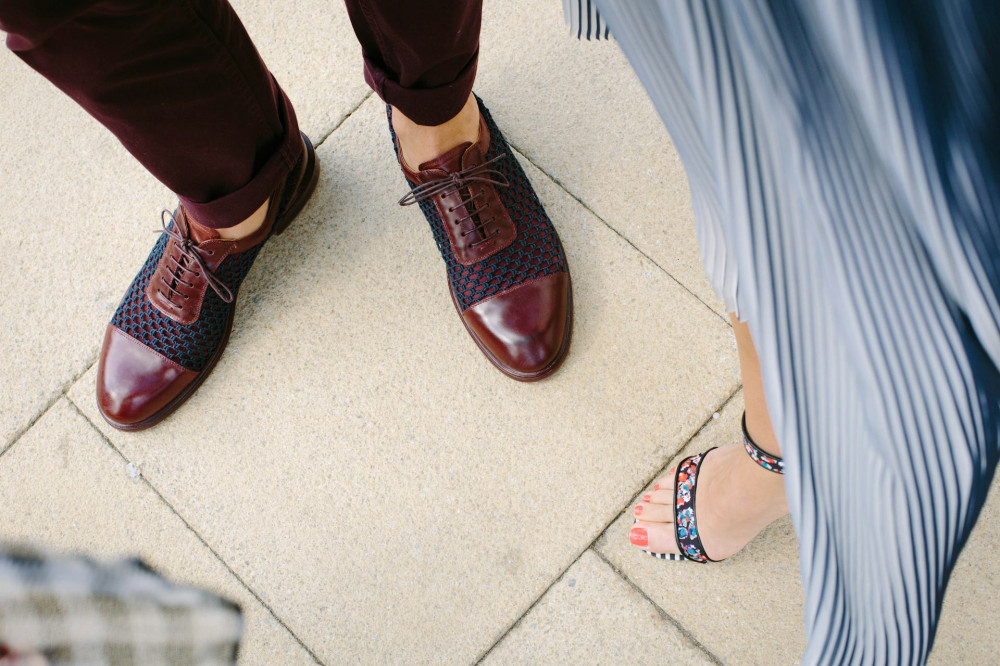
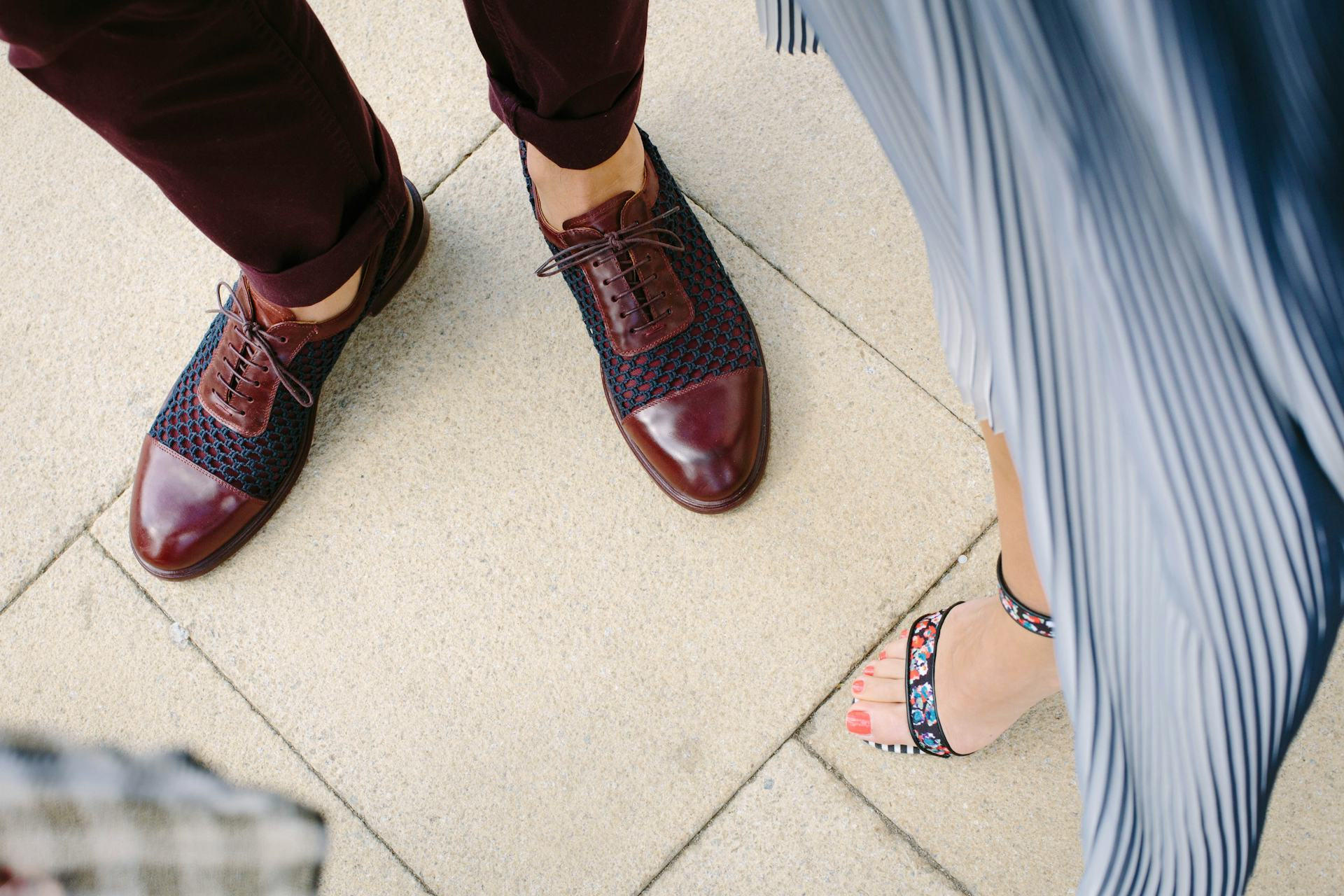
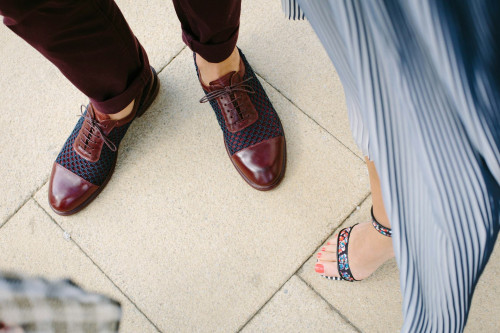
Dress shoes are made to impress. They’re designed with elegance and detail in mind, often crafted from smooth leather, patent finishes, or fine suede. Sleek lines, minimal stitching, and refined shapes give them a polished, formal look that pairs perfectly with suits, dress pants, or evening wear.
Everyday shoes, on the other hand, are built for versatility. They need to fit into a busy lifestyle—commuting, errands, casual Fridays, and everything in between. The design is usually more relaxed and practical, with neutral colors and durable materials that can handle daily wear without losing their shape or appeal.
Comfort and Function – The Real Test
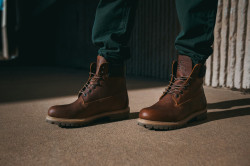
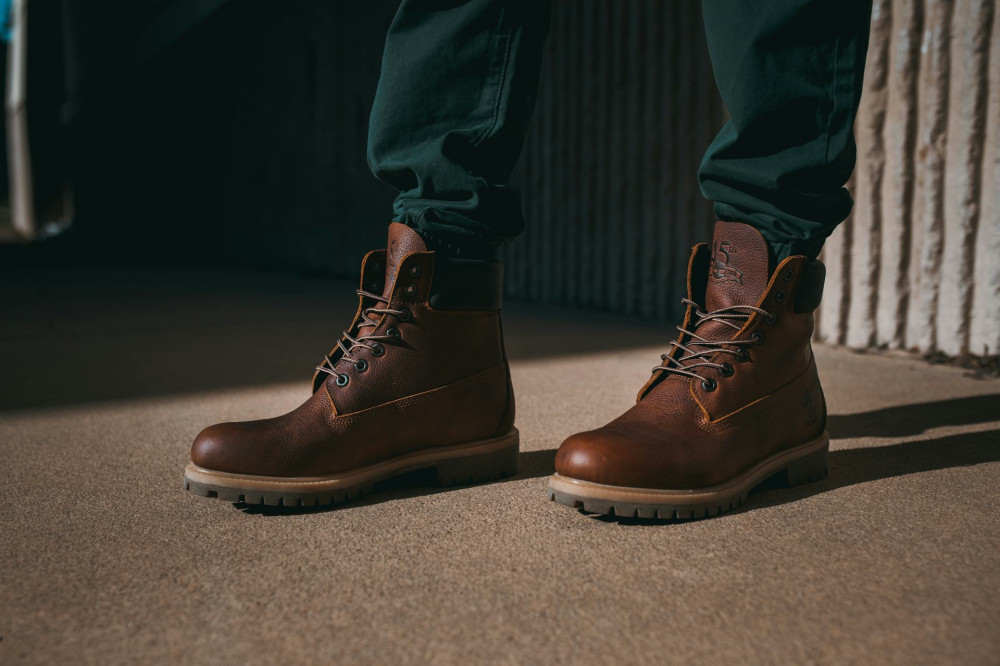
The biggest difference between dress shoes and everyday shoes often becomes clear after a few hours of wear. Everyday shoes are built for comfort. They feature cushioned insoles, flexible soles, and breathable materials that support your feet through long days. Sneakers, loafers, and casual boots are classic examples of shoes that prioritize function and comfort.
Dress shoes, however, are designed for appearance first. They’re meant to look sharp for shorter periods—at weddings, business meetings, or formal dinners. Comfort can take a back seat to style, with stiffer materials, narrower fits, and less cushioning. That’s why it’s smart to plan your day (and your walking distance) when you choose to wear them.
Materials and Maintenance
The materials used in a shoe say a lot about its purpose. Everyday shoes are typically made from sturdy leather, canvas, or synthetic fabrics that can handle rain, dirt, and frequent use. They’re easy to clean and don’t require much upkeep beyond the occasional wipe-down or polish.
Dress shoes are more delicate. High-quality leather or suede needs regular care to maintain its appearance. They should be stored properly—ideally with shoe trees to preserve their shape—and cleaned with the right products. A quick polish before a big event can make all the difference, and a little maintenance goes a long way toward keeping them looking sharp.
Choosing the Right Pair for the Occasion
While the line between dress and everyday shoes used to be clear, modern fashion has blurred the boundaries. Many brands now offer hybrid styles that combine comfort and sophistication—think leather sneakers or dressy loafers that can transition from the office to dinner out.
When choosing shoes, consider the occasion and your comfort. Will you be standing for hours, walking long distances, or mostly sitting? The right pair depends on both the setting and how you want to feel throughout the day.
Læs også:
How to Make Your Shoes Last
Whether you’re investing in dress shoes or everyday pairs, a little care can extend their life significantly:
- Rotate your shoes – Give each pair time to air out and recover between wears.
- Use shoe trees – They help leather shoes keep their shape and prevent creasing.
- Clean and condition regularly – Especially after exposure to rain, salt, or dirt.
- Store them properly – Dress shoes in boxes or dust bags, everyday shoes on open shelves.
With proper care, even your most delicate dress shoes can stay elegant for years, and your everyday shoes can remain comfortable and supportive far longer.
The Difference in One Word: Purpose
In the end, the real difference between dress shoes and everyday shoes comes down to purpose. Dress shoes are made to be seen; everyday shoes are made to be lived in. Both have their place, and the best wardrobe includes a bit of each—something for the daily grind and something for the moments that matter most.
Læs også: