Texture and Weave: How the Material Gives the Jacket Character and Depth

Texture and Weave: How the Material Gives the Jacket Character and Depth
When you slip on a jacket, the first thing you notice is the feel of the fabric — whether it’s smooth, coarse, soft, or firm. Texture and weave are not just aesthetic details; they define how the jacket looks, drapes, and performs. They tell a story of craftsmanship, material choice, and purpose. In this article, we’ll explore how texture and weave give a jacket its character and depth — and why understanding them can help you make better choices.
Texture: The Fabric’s Personality
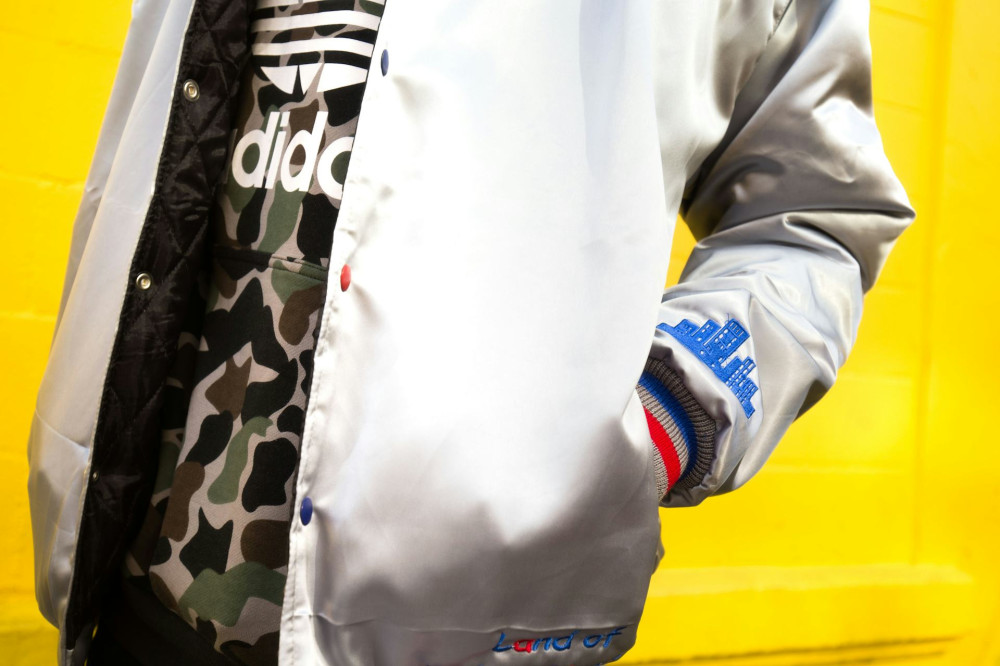
Texture is what your eyes and hands register first. It can be sleek like silk, brushed like wool, or rugged like tweed. Texture influences both the appearance and the experience of wearing a jacket. A matte, rough surface conveys durability and warmth, while a glossy, tightly woven fabric often suggests sophistication and lightness.
In practice, texture depends on how the fibers are treated and finished. A cotton jacket, for instance, can be brushed to create a soft, velvety surface, while a wool jacket might be lightly felted to make it denser and more wind-resistant. Texture is therefore not just about looks — it’s also the result of functional design decisions.
The Weave: The Structure Behind the Fabric
While texture concerns the surface, weave refers to the fabric’s internal structure — how the threads cross and interlock. The weave determines how dense, flexible, and durable the material will be.
Some of the most common weaves used in jacket design include:
- Plain weave – a simple, tight structure that produces a smooth and sturdy fabric. Often used in cotton jackets and workwear.
- Twill weave – recognizable by its diagonal lines, which add flexibility and a graceful drape. Twill is found in everything from trench coats to denim jackets.
- Herringbone – a variation of twill where the pattern alternates direction, creating a dynamic, classic look.
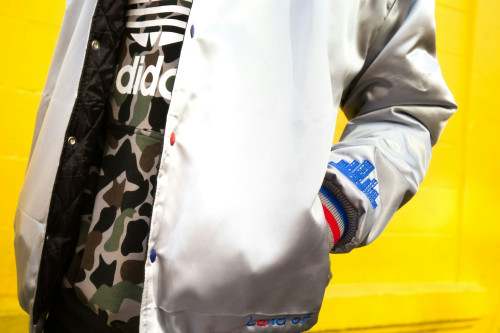
- Satin weave – produces a smooth, lustrous surface, often used in more formal coats and blazers.
The choice of weave affects not only the jacket’s appearance but also how it moves with the body and how well it resists wind and wear.
Læs også:


Balancing Function and Aesthetics
A well-made jacket strikes a balance between function and style. A coarse wool weave can provide warmth and structure, while a fine cotton twill offers a relaxed yet refined look. Designers often play with contrasts — for example, pairing a smooth exterior with a brushed interior — to create both comfort and visual depth.
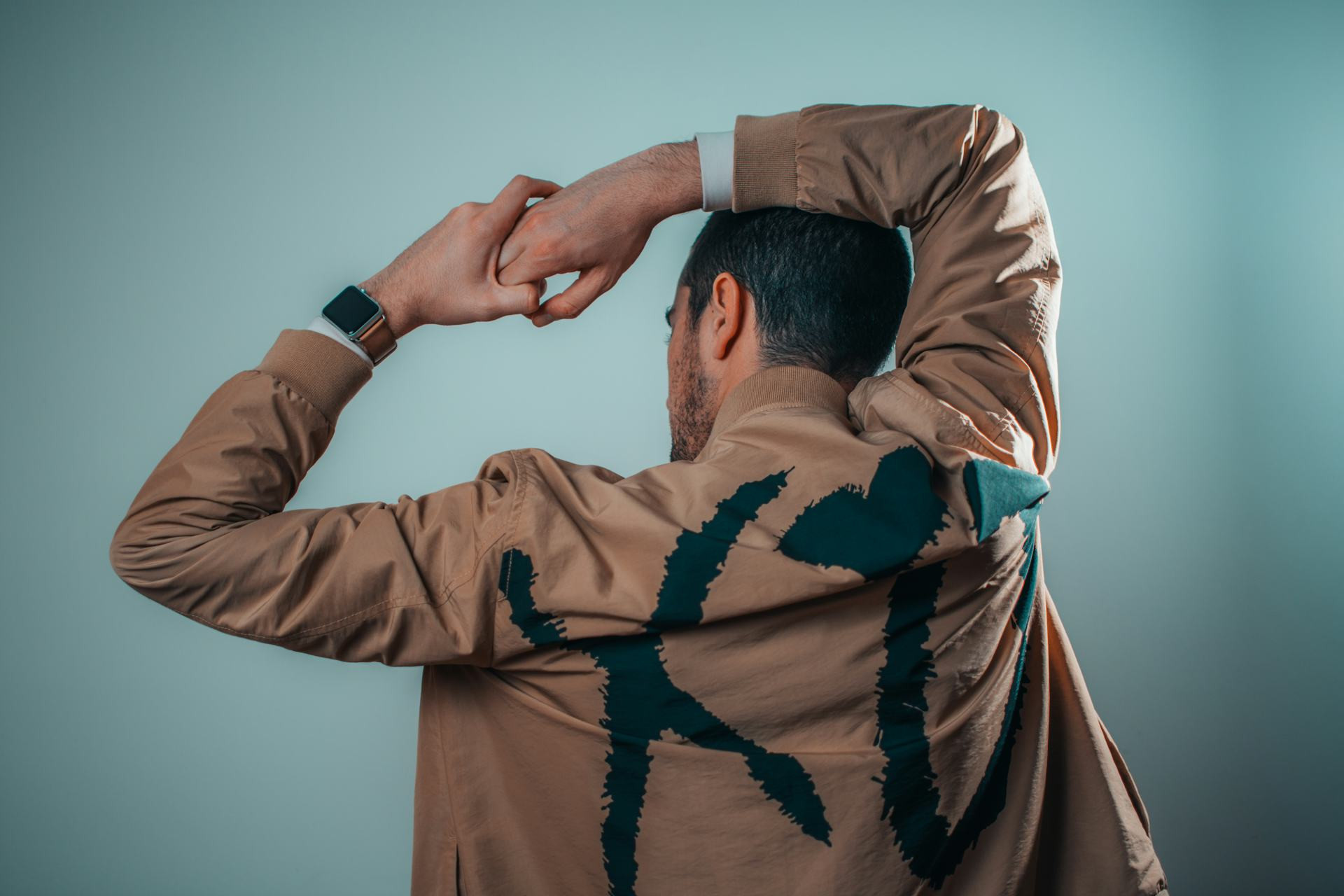
Texture and weave can also emphasize the jacket’s shape. A stiff canvas weave helps a trench coat maintain its silhouette, while a looser weave allows a bomber jacket to move easily with the wearer. It’s in the interplay between material and cut that a jacket’s true character emerges.
The Story Behind the Material
Every material carries its own story. Wool, cotton, linen, and synthetic fibers each respond differently to weaving and finishing. A wool jacket woven in a herringbone pattern can feel both traditional and luxurious, while a nylon jacket with a ripstop weave signals technical performance and modern design.
When you choose a jacket, you’re also choosing a narrative — one of craftsmanship, culture, and use. A raw denim jacket speaks of durability and everyday wear, while a smooth wool coat conveys timeless elegance. Texture and weave are the elements that tie these stories together.
How to Choose the Right Texture
When you’re comparing jackets, texture can be your guide:
- For everyday wear: Choose a medium-weight weave with some structure — like cotton twill or light wool.
- For formal occasions: Opt for smooth, tightly woven materials such as worsted wool or satin.
- For outdoor activities: Look for technical weaves like ripstop or canvas that can handle abrasion and weather.
The key is to find a texture that fits both your needs and your personal style. A jacket should not only look good — it should feel right.
A Deeper Understanding, Better Choices
To understand texture and weave is to understand the soul of a jacket. It allows you to choose consciously — not just by color or fit, but by how the fabric itself is made. The next time you try on a jacket, take a moment to notice: Is the surface smooth or textured? Does the fabric feel dense or airy? These small details are what give a jacket its true character and depth.
Læs også: