Lining and Insulation Explained: How to Choose the Right Jacket for Your Needs


Lining and Insulation Explained: How to Choose the Right Jacket for Your Needs
When it’s time to buy a new jacket, it’s easy to focus on style or color. But if you want a jacket that truly fits your needs—whether for freezing winters, rainy fall days, or cool summer evenings—it’s important to understand the difference between lining and insulation. These two elements are often mentioned together, but they serve different purposes that determine how warm, comfortable, and versatile your jacket will be.
What Does the Lining Do?
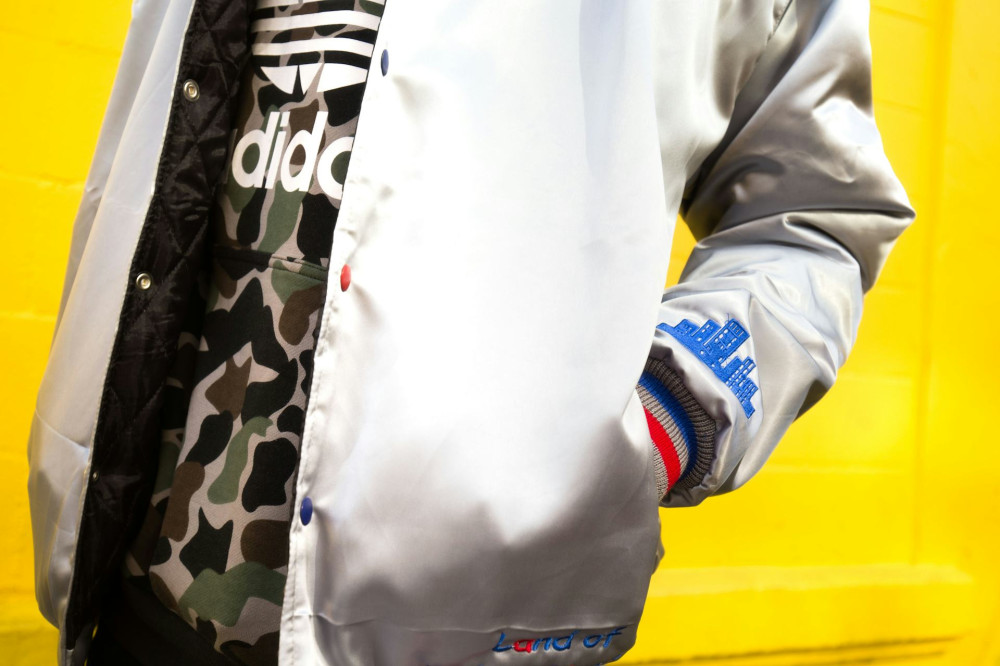
The lining is the innermost layer of a jacket—the part that sits closest to your body. Its main job is to provide comfort and protect the insulation, but it also affects how the jacket feels and performs.
Common types of lining include:
- Smooth polyester lining – durable, lightweight, and makes it easy to slip the jacket on and off, even over a sweater.
- Mesh lining – often used in rain shells and lightweight jackets because it improves ventilation and moisture management.
- Fleece lining – soft and cozy, great for chilly days, though it can feel too warm during high activity.
While the lining itself doesn’t usually provide much warmth, it plays a key role in comfort and how the jacket moves with you.
Insulation – The Heart of Warmth
Insulation is what keeps you warm. It works by trapping air that your body heats up, creating a barrier against the cold. There are two main types of insulation: down and synthetic.
Down Insulation
Down—made from the soft under-feathers of ducks or geese—is prized for its incredible warmth-to-weight ratio. A down jacket can be extremely warm without feeling bulky, making it ideal for cold, dry conditions. The quality of down is measured in fill power—the higher the number, the better the insulation.
Pros:
- Exceptionally light and compressible
- Excellent warmth for its weight
- Long lifespan with proper care
Cons:
- Loses insulating ability when wet
- Requires careful washing and drying
- Typically more expensive than synthetic options
Synthetic Insulation
Synthetic fills, such as Primaloft or Thinsulate, mimic the structure of down but retain warmth even when damp. They dry quickly and are easier to care for, making them a practical choice for wet or variable climates.
Pros:
- Keeps you warm even when wet
- Easy to wash and dry
- Usually more affordable
Cons:
- Slightly heavier and less compressible than down
- May lose loft and warmth over time
Shell, Synthetic, or Down – Which Jacket Should You Choose?
The right jacket depends on how and where you plan to use it.
- Shell jacket – has no insulation but offers windproof and waterproof protection. Perfect as an outer layer year-round, especially when you use a layering system.
- Synthetic insulated jacket – great for active use and damp conditions.
- Down jacket – unbeatable warmth for its weight, ideal for cold, dry winter days.
If you move between different temperatures or activity levels, consider pairing a lightweight insulated jacket with a shell. This gives you flexibility to adapt to changing weather.
The Layering System: Key to Comfort
No matter which jacket you choose, it works best as part of a layering system:
- Base layer – wicks moisture away from your skin.
- Mid layer – provides warmth, such as fleece or light insulation.
- Outer layer (shell) – protects against wind and rain.
By adjusting these layers, you can stay comfortable and dry in a wide range of conditions—from a brisk morning hike in the Rockies to a windy day on the Great Lakes.
How to Choose the Right Jacket for You
When deciding, think about:
- Activity level – will you be standing still in the cold or moving a lot?
- Weather conditions – is it mostly dry, wet, windy, or freezing?
- Weight and packability – do you need something that fits easily in a backpack?
- Maintenance – are you willing to care for down, or do you prefer something low-maintenance?
A good rule of thumb: choose down for cold, dry weather; synthetic insulation for damp or unpredictable conditions; and a shell if you want year-round versatility.
Care and Longevity
Proper care helps your jacket perform better and last longer. Always follow the manufacturer’s instructions, use mild detergent, and avoid fabric softeners. Down jackets should be tumble-dried with clean tennis balls to restore loft, while synthetic jackets just need thorough drying.
A well-maintained jacket can last for years—saving you money and reducing waste.
Læs også:



Conclusion: Know Your Needs, Then Choose
There’s no single “perfect” jacket for everyone. The right choice depends on how you use it and the conditions you face. By understanding the difference between lining and insulation, you can pick a jacket that fits your lifestyle—and keeps you warm, dry, and comfortable no matter the season.
Læs også: