Surface Treatment and Maintenance – How to Keep Your Jewelry Shining

Surface Treatment and Maintenance – How to Keep Your Jewelry Shining
Jewelry is more than decoration – it often carries memories, meaning, and personal style. But even the most beautiful pieces can lose their shine over time if not properly cared for. Surface treatment plays a key role in both appearance and durability, and with the right maintenance, your jewelry can stay as radiant as the day you received it. Here’s a guide to keeping your jewelry looking its best – whether it’s gold, silver, or gold-plated.
What Is Surface Treatment?
Surface treatment refers to the process of protecting or refining the outer layer of a piece of jewelry to achieve a specific look or function. This can include polishing, plating, rhodium coating, or oxidizing. These treatments serve both aesthetic and practical purposes – they enhance color, add shine, and protect against scratches and tarnish.
- Polishing creates a mirror-like finish and is commonly used on gold and silver.
- Rhodium plating adds a thin layer of rhodium to white gold or silver, making it more resistant to tarnish and giving it a bright, reflective surface.
- Gold plating applies a layer of gold over another metal, such as silver or brass, for a luxurious appearance.
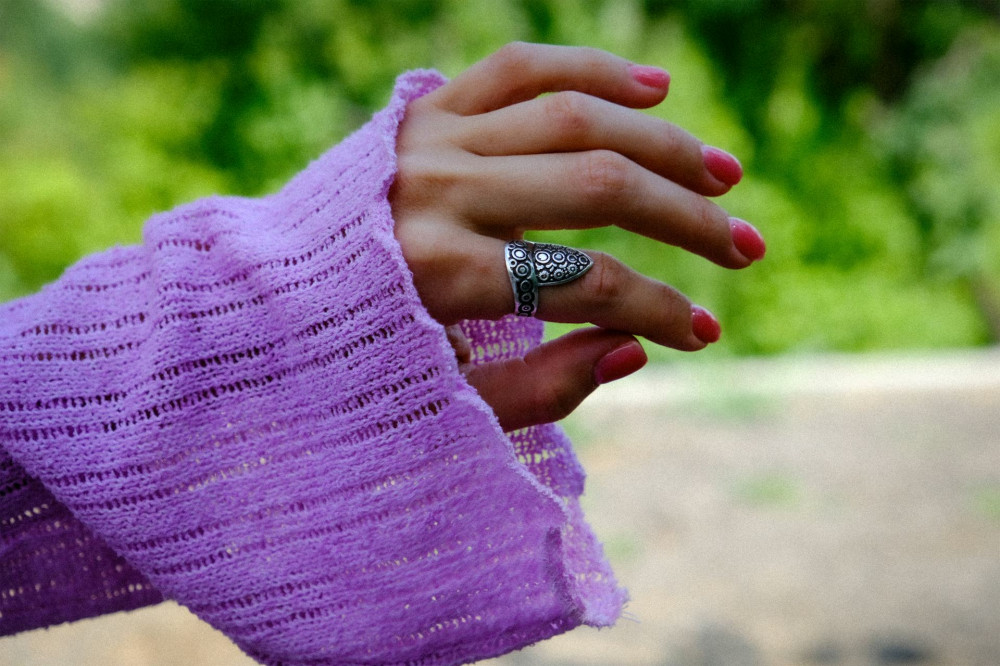
- Oxidizing gives silver a darker, antique look that highlights details and texture.
Over time, these surface treatments naturally wear down, especially on jewelry worn daily. Knowing how to protect them helps preserve their beauty.
Læs også:



Everyday Care – Small Habits That Make a Big Difference
The best way to keep your jewelry shining is to prevent damage and buildup before it happens. Simple daily habits can go a long way:
- Remove jewelry before washing hands, cleaning, swimming, or exercising.
- Avoid contact with perfume, lotions, and hair products – chemicals can break down surface coatings.
- Store jewelry in a dry place, ideally in separate pouches or boxes to prevent scratching.
- Wipe pieces with a soft cloth after wearing to remove oils and sweat.
These small steps help extend the life of your jewelry and keep it looking bright longer.
Cleaning Different Materials
Different metals require different cleaning methods. Using the wrong one can damage the surface, so it’s important to know what your jewelry is made of.
- Gold: Clean with warm water and mild dish soap. Use a soft brush to remove dirt, then dry with a microfiber cloth.
- Silver: Use a silver polishing cloth or a specialized silver cleaner. Avoid toothpaste or abrasive materials, which can scratch the surface.
- Gold-plated jewelry: Be extra gentle – the gold layer is thin and can wear off. Use only a damp cloth and avoid rubbing.
- Rhodium-plated jewelry: Clean carefully with water and a soft cloth. When the rhodium layer begins to fade, a jeweler can replate it.
If you’re unsure how to clean a piece, consult a professional jeweler rather than risk damaging it.
Professional Maintenance
Even with good daily care, jewelry will eventually need professional attention. A jeweler can polish, clean, and reapply surface treatments to restore the original shine. This is especially important for plated or rhodium-coated pieces, where the finish naturally wears off with use.
It’s a good idea to have your jewelry inspected once a year – not only to refresh the surface but also to ensure that stones and settings remain secure.
Jewelry with Patina – When Time Adds Character
Not all jewelry is meant to look brand new. Some materials, like silver and copper, develop a natural patina over time that adds depth and character. Many people choose to keep this aged look rather than polish it away. It’s a matter of personal taste – and an appreciation for the beauty that comes with age and wear.
Keep the Shine – and the Sentiment
Jewelry is made to be worn and enjoyed, but it also deserves care. With the right combination of daily maintenance and occasional professional service, you can preserve both the shine and the sentimental value of your pieces for years to come. After all, caring for your jewelry is also a way of caring for the memories and emotions it represents.
Læs også: