Fix Your Jewelry Yourself: Simple Tips for Small Repairs

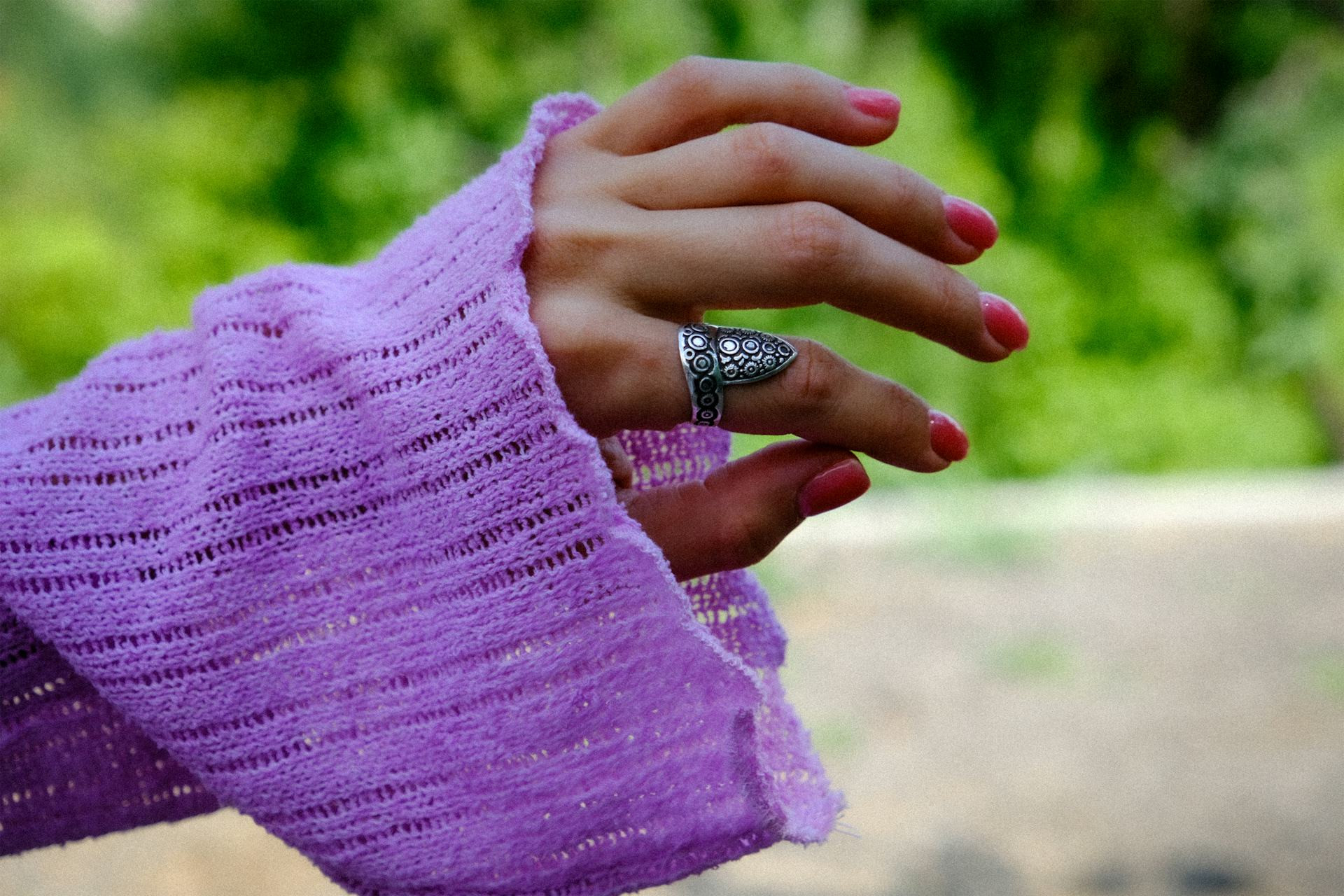
Fix Your Jewelry Yourself: Simple Tips for Small Repairs
Jewelry often carries deep personal meaning—whether it’s a family heirloom, a gift from someone special, or a piece you bought to celebrate a milestone. So when a chain breaks, a clasp stops working, or a stone comes loose, it can be frustrating. The good news is that many small jewelry repairs can be done at home with a little patience and the right tools. Here’s a guide to help you bring your favorite pieces back to life—without compromising their beauty or quality.
Start with a Careful Assessment
Before you begin, take a close look at what’s wrong. Is it a simple fix you can handle yourself, or does it require professional attention? As a general rule, you can safely tackle small issues such as:
- A loose earring post or hook
- A chain that’s broken in one spot
- A clasp that needs tightening or replacing
- A stone that just needs to be re-secured
If the piece is made of gold, silver, or platinum—or if it’s antique or valuable—it’s best to have a jeweler inspect it first. Professional repair ensures that the piece retains its value and integrity.
Essential Tools for Small Repairs
You don’t need a full workshop to get started. A few basic tools can make a big difference:
- Jewelry pliers – ideally a set with flat-nose, round-nose, and cutting pliers
- Magnifying glass or jeweler’s loupe – to see small details clearly
- Jewelry glue – a clear, strong adhesive made for metal and gemstones
- Extra clasps and jump rings – available at craft stores or online
- Soft cloth and gentle cleaner – to clean your jewelry before working on it
Set up a clean, well-lit workspace. A bright desk lamp and a soft surface (like a towel) will help you work precisely and prevent scratches.
Læs også:



How to Fix a Broken Chain
A broken chain is one of the most common jewelry mishaps—and often one of the easiest to fix:
- Find both ends of the chain and locate the break.
- Use flat-nose pliers to gently open the broken link.
- Reconnect the ends and close the link tightly with the pliers.
- If the link is too weak, replace it with a new jump ring.
Be gentle, especially with delicate chains. Too much pressure can distort the links or cause another break.
Getting the Clasp Working Again
A faulty clasp is a frequent reason jewelry gets lost. Fortunately, it’s often an easy fix:
- Spring ring clasp: If the spring feels weak, gently squeeze the ring with pliers to restore tension.
- Lobster clasp: Check that the lever moves freely. If it sticks, apply a tiny drop of non-acidic oil to the mechanism.
- Magnetic clasp: Make sure the magnets are clean and free of dust or debris.
If the clasp is beyond repair, you can easily replace it. Most clasps come in standard sizes that fit common necklaces and bracelets.
When a Stone Comes Loose
A loose stone can often be saved before it falls out completely. Clean the area around the setting with a soft cloth, then apply a small amount of jewelry glue to secure the stone. Let it dry for at least 24 hours before wearing. Avoid using too much glue—it can seep out and leave visible marks on the metal.
If the stone is held by prongs, you can gently press them back into place with round-nose pliers. Work slowly and evenly to avoid scratching or cracking the stone.
Preventing Future Damage
The best repair is the one you never have to make. With a few simple habits, you can keep your jewelry in great shape:
- Remove jewelry before showering, swimming, or exercising.
- Store pieces separately in small pouches or boxes to prevent scratches.
- Clean regularly with a soft cloth and mild soap.
- Check chains and clasps periodically for signs of wear.
A little care goes a long way in keeping your jewelry looking beautiful and lasting longer.
When to Call a Professional
While many small fixes can be done at home, some repairs are best left to the experts. If your jewelry is made of precious metals, contains valuable gemstones, or has sentimental value, take it to a professional jeweler. They have the tools and expertise to solder, polish, and restore your piece safely.
Give Your Jewelry New Life
Repairing your own jewelry isn’t just about saving money—it’s about preserving memories and taking pride in your handiwork. With a bit of practice, you can handle small repairs that extend the life of your favorite pieces and keep them shining for years to come. And who knows? You might even discover a new hobby in the process—one that’s both creative and rewarding.
Læs også: