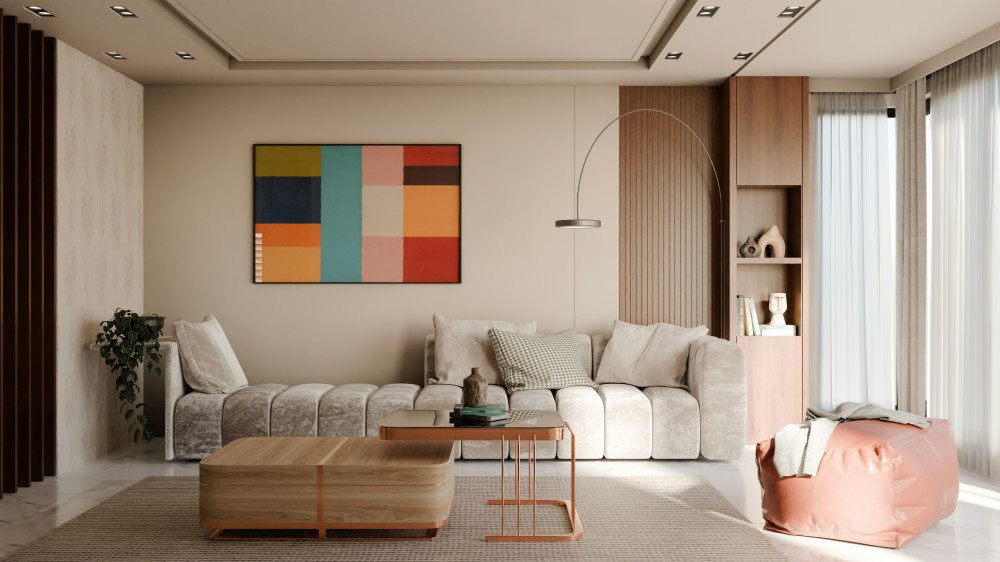
When Styles Meet: How to Create a Personal and Harmonious Home

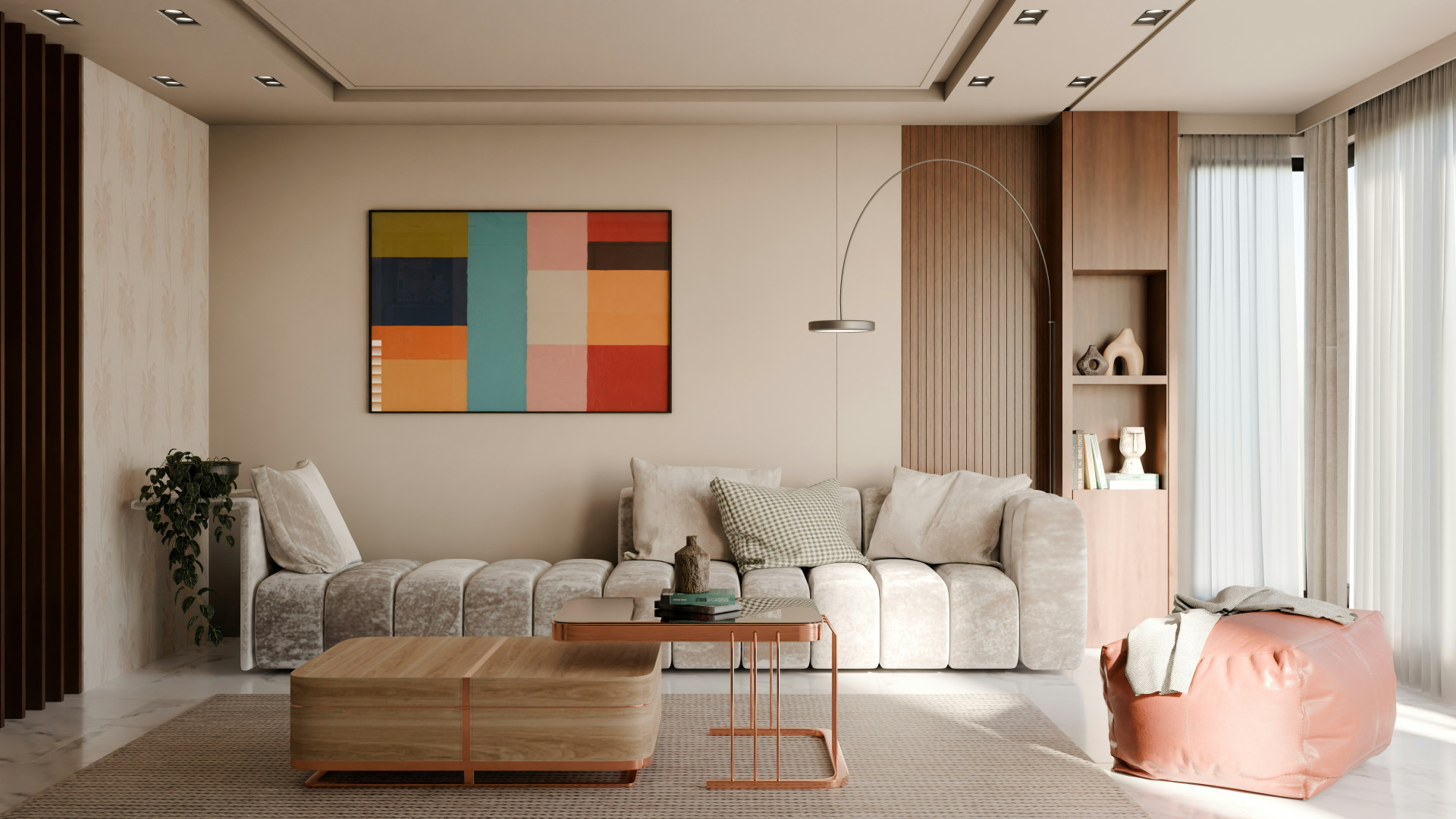
When Styles Meet: How to Create a Personal and Harmonious Home
Designing a home isn’t just about following a single trend or aesthetic—it’s about creating a space that reflects who you are and how you live. Today, many American homes blend different styles: modern meets farmhouse, mid-century meets boho, industrial meets cozy cottage. When done thoughtfully, these contrasts can create a home that feels both personal and harmonious. Here’s how to mix styles with confidence and balance.
Find Your Foundation
Before you start combining styles, it helps to define a foundation that ties everything together. This could be a color palette, a material, or a mood you want your home to express.
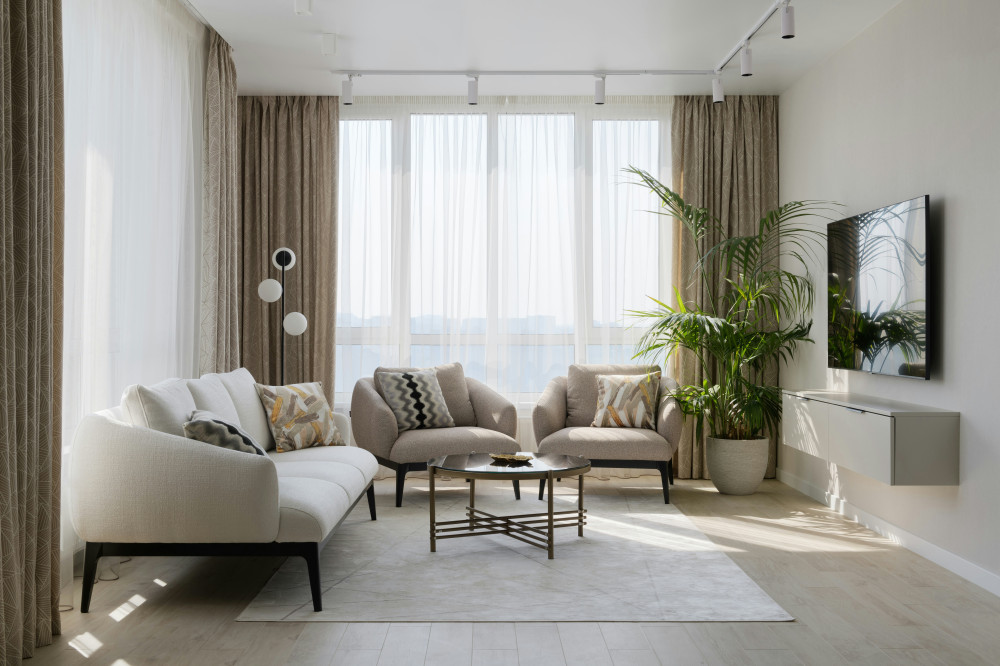
- Colors: Choose two or three main colors that repeat throughout your home—in walls, textiles, and accents. This consistency creates calm, even when your furniture varies in style.
- Materials: Repeat materials like wood, metal, or natural fibers across rooms to create a sense of flow.
- Mood: Decide whether you want your home to feel bright and airy, warm and inviting, or bold and dramatic.
Once you have a clear foundation, it becomes easier to decide which pieces fit your vision and which ones disrupt the harmony.
Balance Old and New
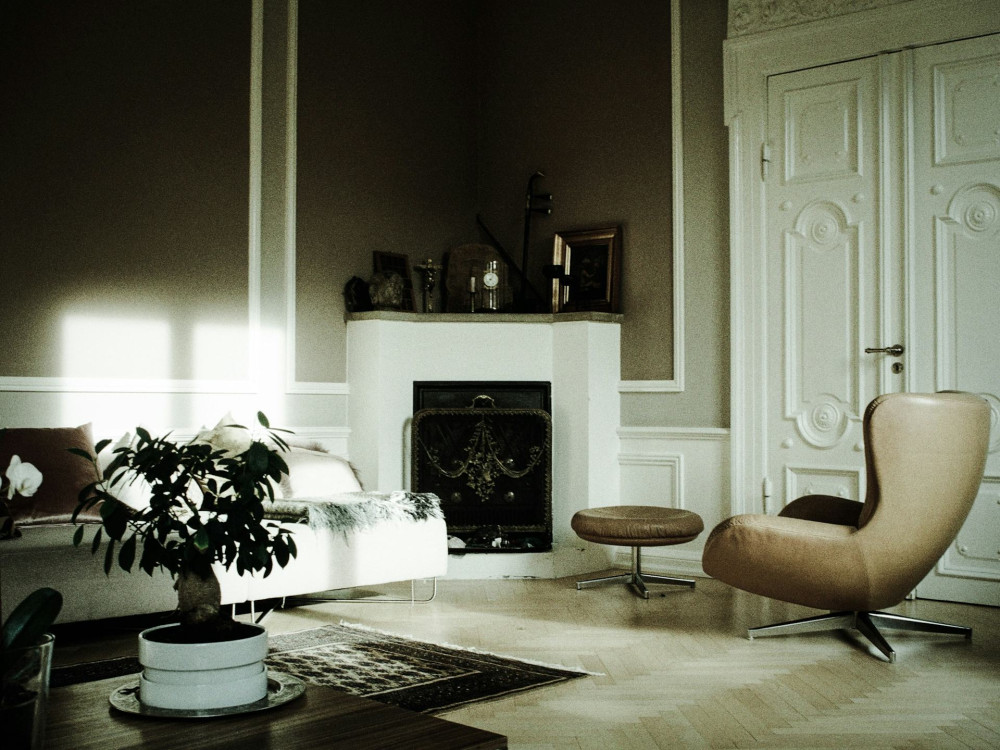
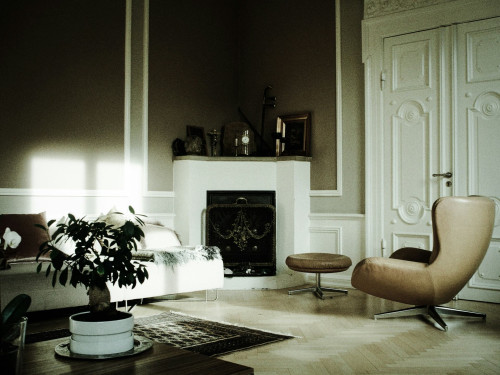
A home with character often emerges when modern design meets vintage finds or family heirlooms. The key is balance—making sure the mix feels intentional, not random.
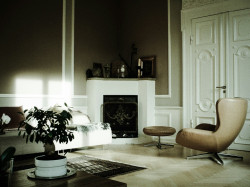
A sleek sofa can ground a room filled with antique pieces, while a rustic dining table can add warmth to a contemporary kitchen. Let one standout item—like a vintage cabinet or a statement light fixture—take center stage, and build the rest of the room around it.
Don’t shy away from imperfections. A bit of patina or wear tells a story and adds authenticity to your space.
Use Texture to Create Unity
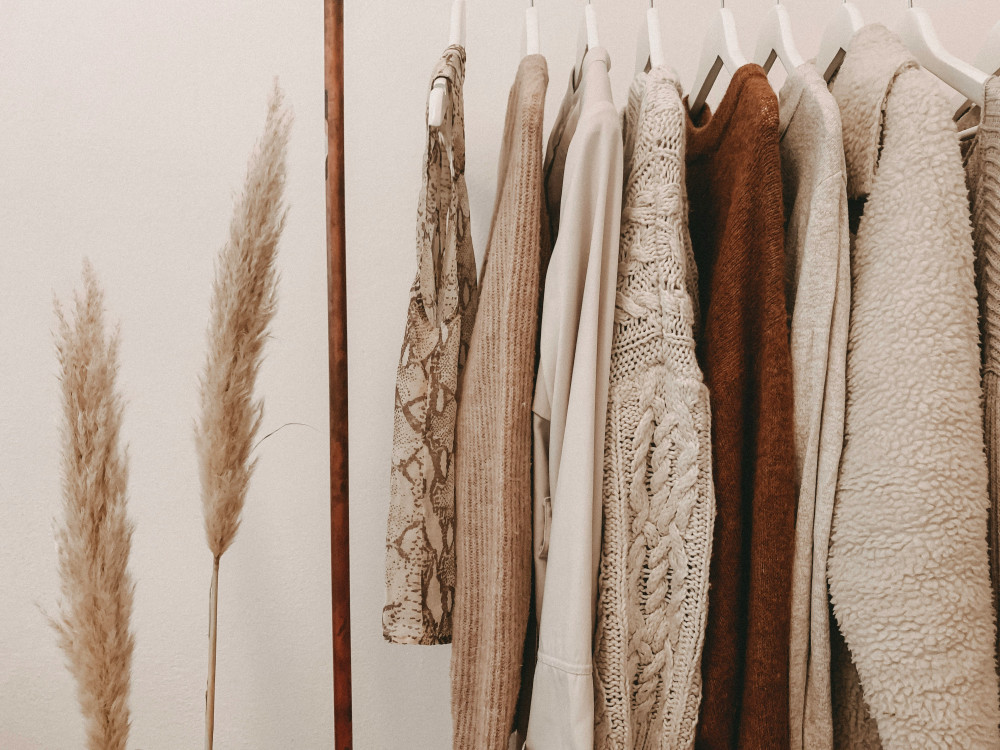
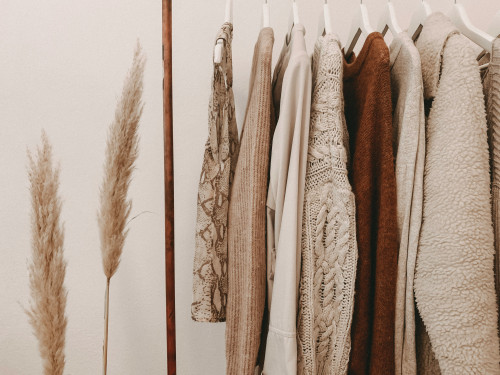
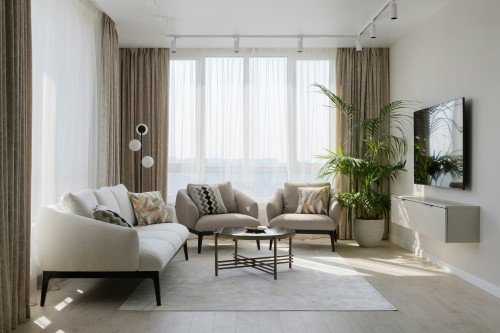
When blending styles, texture can be your best friend. Soft fabrics, rough wood, and smooth metal surfaces work together to add depth and cohesion.
If your furniture pieces vary widely, repeating textures—like linen, leather, or reclaimed wood—can visually tie the room together. Contrast also plays a role: a polished marble countertop can highlight the charm of a rustic stool, while a woven rug can soften the look of a modern living room.
Let Personality Lead
A truly personal home reflects your life and interests. Display items that tell your story—artwork, travel souvenirs, books, or handmade pieces.
Instead of filling every surface, curate what you show. A gallery wall with mixed frames can add energy, while a collection of pottery or plants can bring warmth and texture. It’s not about quantity—it’s about meaning. Let the things you love have space to shine.
Læs også:
Leave Room to Breathe
When mixing styles, it’s easy to overfill a room. But harmony often comes from what you don’t include.
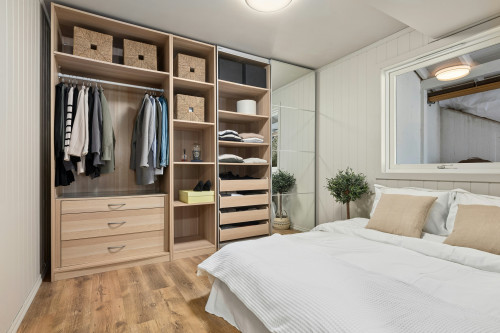
Leave some walls or surfaces bare, and make sure there’s space between furniture pieces. This negative space allows the eye to rest and helps each element stand out. A balanced home isn’t about how much you have—it’s about the rhythm between fullness and openness.
Light as the Unifying Element
Lighting is one of the most powerful tools for creating cohesion. It can make even the most eclectic mix feel intentional.
Layer your lighting—combine overhead fixtures, floor lamps, and candles—to create depth and warmth. A modern pendant can hang beautifully over a traditional dining table if the light it casts feels inviting. Think of lighting as the thread that connects your home’s different moods and styles.
A Home That Evolves
A personal home is never truly finished. It grows and changes as you do. Allow yourself to experiment, rearrange, and evolve your space over time.
When you trust your instincts and embrace the mix, you create a home that doesn’t look like anyone else’s—but feels completely, authentically yours.
Læs også: