Gloves for Everyday Use, Sports, and Work – How to Choose the Right Type


Gloves for Everyday Use, Sports, and Work – How to Choose the Right Type
Gloves aren’t just for keeping your hands warm in winter. They protect, support, and can even enhance your performance—whether you’re commuting, working outdoors, or playing your favorite sport. But with so many types and materials available, finding the right pair can be tricky. Here’s a guide to help you choose gloves that fit your needs for everyday wear, sports, and work.
Everyday Gloves
For daily use, gloves are all about comfort, warmth, and style. They should match both the weather and your personal look.
- Leather gloves are timeless and durable. They mold to your hands over time and, with proper care, can last for years. They’re perfect for city life and pair well with both casual and formal outfits.
- Wool or knit gloves are soft and cozy but not always windproof. They’re great for mild winter days or as liners under heavier gloves.
- Fleece and softshell gloves offer flexibility and wind resistance, making them ideal for walking, biking, or running errands in cool weather.
Look for features like touchscreen-compatible fingertips so you can use your phone without taking them off, or reflective details if you’re out after dark.
Sports and Outdoor Gloves
When it comes to sports, gloves need to do more than keep you warm—they should provide grip, breathability, and freedom of movement. The right choice depends on your activity.
- Running gloves should be lightweight, moisture-wicking, and flexible. Many have silicone grips on the palms to help you hold your phone or water bottle.
- Cycling gloves come in summer and winter versions. Summer gloves are thin and ventilated, while winter models are insulated and windproof. Padding in the palms helps reduce pressure and vibration.
- Ski and snowboard gloves must be waterproof, warm, and durable. Materials like Gore-Tex and Thinsulate are popular for combining insulation with breathability.
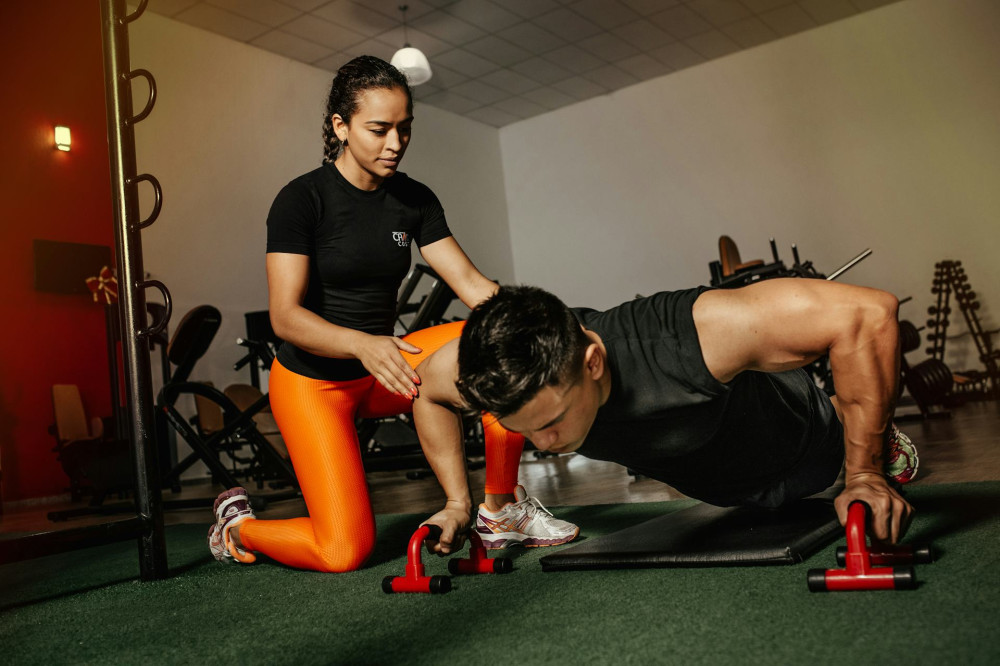
- Gym and training gloves protect your hands from calluses and improve grip on weights and equipment. They should fit snugly and allow good airflow.
No matter the sport, fit is key. Gloves that are too large can cause chafing, while those that are too tight restrict circulation and make your hands cold.
Læs også:




Work Gloves
At work, gloves are about safety and functionality. They protect against abrasion, cold, chemicals, or sharp objects—depending on the job.
- General work and assembly gloves made from synthetic leather or nitrile provide good grip and dexterity. They’re common in construction, manufacturing, and maintenance.
- Cold-weather work gloves are insulated and windproof for outdoor jobs. Some have reinforced palms and fingers for extra durability.
- Chemical-resistant gloves made from latex, neoprene, or PVC protect against liquids and cleaning agents. Always choose the right material for the substances you handle.
- Cut-resistant gloves are used in metalworking, food processing, and other industries involving sharp tools. They’re often made from Kevlar or steel mesh.
Check that your gloves meet relevant U.S. safety standards (such as ANSI/ISEA ratings) and replace them when they show signs of wear.
Materials and Fit – What Makes the Difference
A good pair of gloves should fit snugly without feeling tight. Loose gloves reduce dexterity, while tight ones restrict blood flow and make your hands cold.
Material choice affects both comfort and performance:
- Leather is tough and flexible but needs regular care.
- Wool insulates well, even when damp.
- Synthetic fabrics like polyester and nylon are lightweight, quick-drying, and often more affordable.
- Waterproof membranes such as Gore-Tex keep hands dry while allowing moisture to escape.
Consider whether you need insulation, waterproofing, or extra grip—your environment and activities will determine what’s most important.
Finding the Right Pair
Start by defining your purpose: Are the gloves for everyday wear, sports, or work? Then focus on materials, fit, and features.
Try on several models and brands—small differences in cut and elasticity can make a big difference in comfort. And remember, one pair rarely fits all needs. Many people benefit from having multiple pairs: one for daily use, one for sports, and one for work or chores.
With the right gloves, you’ll enjoy not only warm hands but also better grip, safety, and comfort—whether you’re on the job site, biking through the city, or taking a winter walk.
Læs også: