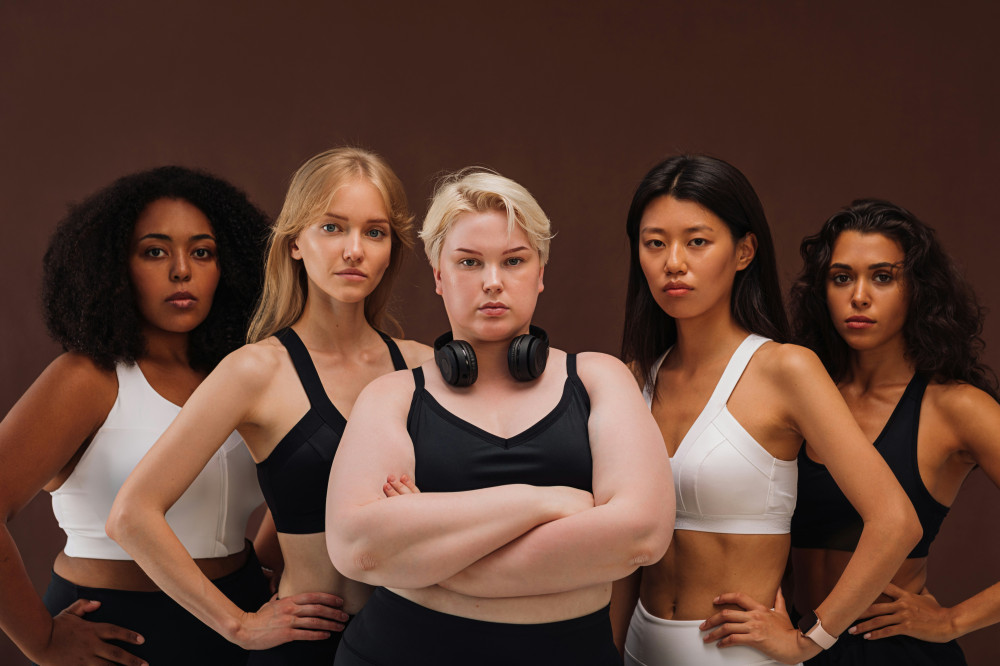
Fit Over Size: How to Find the Sportswear That Fits You Best

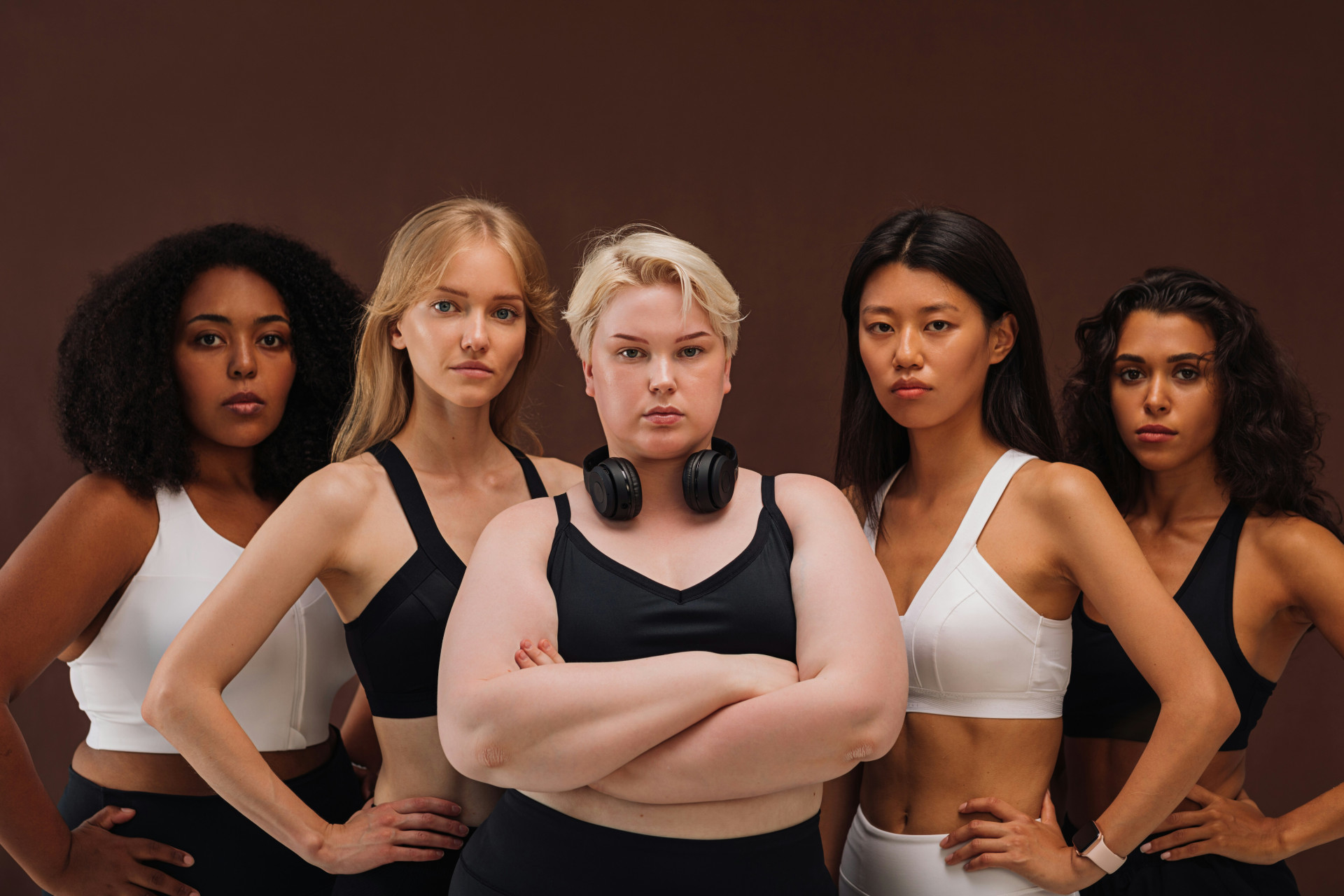
Fit Over Size: How to Find the Sportswear That Fits You Best
When shopping for activewear, it’s tempting to grab the size you usually wear and head straight to the checkout. But two shirts labeled “medium” can fit completely differently depending on the brand, fabric, and cut. The right fit isn’t just about comfort—it affects how you move, perform, and feel during your workout. Here’s how to find sportswear that truly fits you, not just by the number on the tag but by how it supports your body and activity.
Why Fit Matters More Than Size
Sizes are only guidelines, and they vary widely between brands. A “small” in one label might feel like a “medium” in another. That’s why it’s more important to focus on how the clothing feels on your body rather than what the label says.
A good fit moves with you without pinching, sagging, or restricting your motion. For runners, loose clothing can cause chafing, while overly tight gear can make it harder to breathe. In strength training, a snug but flexible fit allows for full range of motion, while yoga and Pilates call for stretchy fabrics that move with your body.
In short, the best fit is the one that supports your activity—not just your size.
Know Your Body and Your Needs
Before buying new workout clothes, take a moment to think about your body shape and how you move. Are you tall and lean, broad-shouldered, or curvy and in need of extra support? Your body type influences which cuts and materials will feel best.
- For running: Choose lightweight, moisture-wicking fabrics that fit close to the body without squeezing. Avoid seams that could rub.
- For strength training: Look for flexible materials with a bit of compression to support your muscles and allow free movement.
- For yoga or Pilates: Opt for soft, stretchy fabrics with high waistbands and smooth edges for comfort in every pose.
- For team sports: Prioritize breathability and freedom of movement—your gear should handle quick changes in direction and intensity.
Knowing your activity patterns helps you pick clothing that works with your body, not against it.
Materials That Make the Difference
Fit isn’t just about cut—it’s also about fabric. Modern activewear uses technical materials designed to stretch, breathe, and manage moisture.
- Polyester and spandex offer stretch and quick drying.
- Merino wool regulates temperature and resists odor—great for outdoor workouts.
- Cotton feels soft but traps moisture and can get heavy during exercise.
Always test the clothing in motion—bend, stretch, and lift your arms. If it feels comfortable while you move, it’s likely to perform well during your workout too.
Læs også:
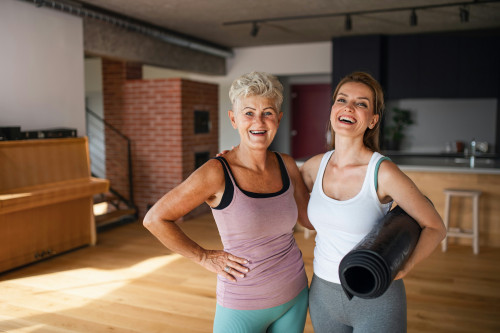
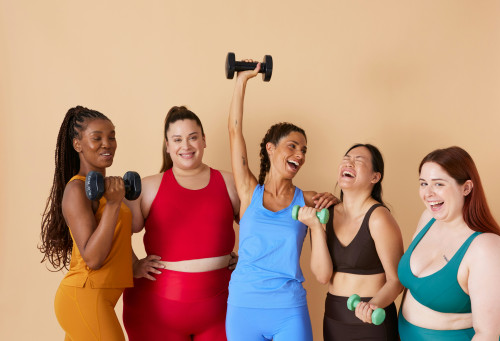

How to Try on Sportswear the Right Way
Trying on activewear isn’t just about checking the mirror. Move as you would during your workout—raise your arms, squat, or do a few lunges. This helps you see if the clothing rides up, pinches, or shifts.
Pay attention to details like seams, waistbands, and elastic edges. They should lie flat against your skin without digging in. If you’re shopping online, use the brand’s size chart and measure yourself. Your chest, waist, and hip measurements will give you a more accurate fit than your usual size.
Fit for Women and Men—There’s a Difference
Sportswear is often designed differently for women and men because body shapes vary. Women’s styles usually have more room at the hips and a narrower waist, while men’s cuts are broader through the shoulders.
That said, don’t feel limited to one section. Many people find a better fit in unisex or men’s styles, especially for running or outdoor training. What matters most is how it fits your body—not the label on the tag.
When Comfort Boosts Confidence
The right activewear does more than support your body—it boosts your confidence. When you feel comfortable, you move more freely and with greater motivation. That can be the difference between a workout you push through and one you truly enjoy.
It’s worth spending a little extra time—and maybe money—to find the perfect fit. Think of it as an investment in both comfort and performance.
How to Care for Your Sportswear
Even the best-fitting gear can lose its shape if not cared for properly. Wash in cold water, skip the fabric softener, and air dry. Fabric softeners can damage the technical fibers that make your clothes stretchy and moisture-wicking.
Store your gear in a dry, airy space, and don’t leave it damp in your gym bag. Proper care helps your clothes last longer and maintain their fit.
Fit Over Size—A New Mindset
Finding the right sportswear isn’t about fitting into a size—it’s about finding clothes that fit you. When you focus on fit, movement, and comfort, you’ll not only perform better but also feel better in your own skin.
So next time you’re in the fitting room, forget the number on the tag. Instead, ask yourself: Does it feel right when I move? If the answer is yes, you’ve found your perfect fit.
Læs også: