Breathability and Comfort: Why Seams and Elastic Bands Matter So Much

Breathability and Comfort: Why Seams and Elastic Bands Matter So Much
When we talk about comfort in clothing—especially underwear and activewear—it’s not just about the fabric. Even the softest material can feel uncomfortable if the seams rub or the elastic digs in. The small details in construction make a big difference in how clothing feels against your skin and how it moves with your body. Breathability, fit, and freedom of movement all depend heavily on how seams and elastic bands are designed and placed.
Seams: The Hidden Heroes of Comfort
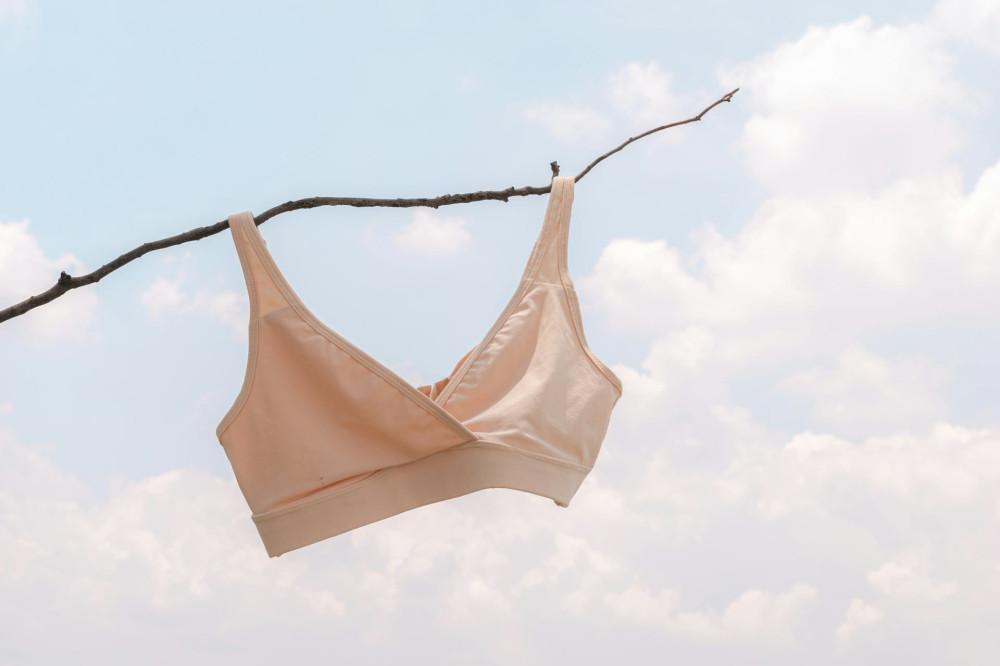
Seams hold garments together, but they can also be the source of irritation. A thick or rough seam can chafe the skin, especially in areas where clothing fits snugly—like around the hips, shoulders, or inner thighs. That’s why many brands today use flat seams or bonded edges that reduce friction and create a smoother surface.
Placement matters, too. In performance wear and underwear, seams are often shifted away from high-movement zones to prevent rubbing during activity. It’s a small design choice, but it can mean the difference between a garment you forget you’re wearing and one you can’t wait to take off.
Elastic Bands: The Balance Between Support and Freedom
Elastic bands are essential for keeping clothing in place, but they also need to move with your body. A good elastic provides support without leaving marks or feeling restrictive. The goal is to find that sweet spot between hold and flexibility.
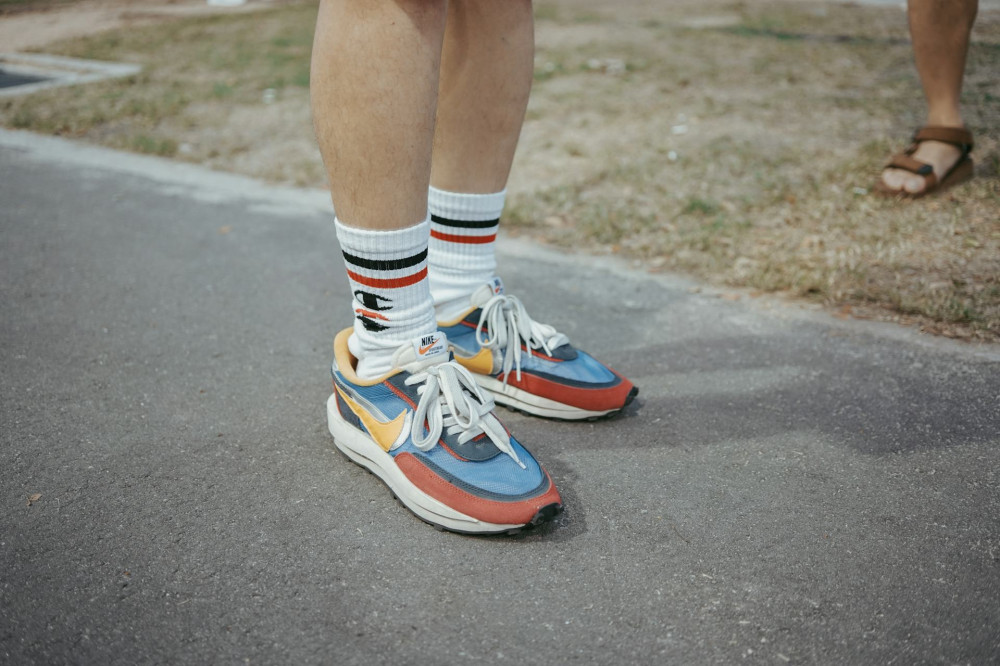
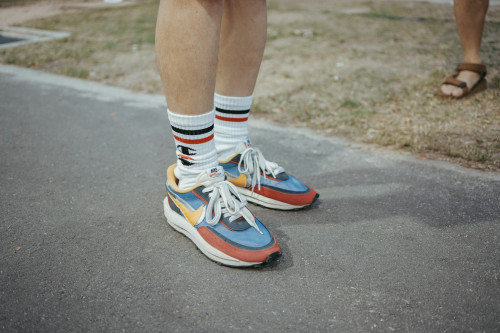
In underwear and socks, manufacturers often use brushed or covered elastics, where the elastic thread is wrapped in soft fabric. This prevents irritation and creates a gentler feel against the skin. In activewear, wider waistbands are common—they distribute pressure more evenly and add stability during movement.
Læs også:


Breathability: When Construction Helps the Body
Breathability isn’t just about the fabric’s ability to let air and moisture pass through—it’s also about how the garment is built. Seams and elastic bands can affect ventilation by creating small zones where airflow is limited. To counter this, designers often incorporate mesh panels or strategically placed ventilation zones that help the body regulate temperature.
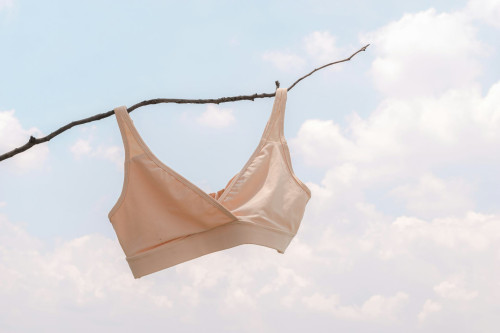
In underwear, this means staying dry and comfortable even during intense activity or in warm conditions. It’s especially important in synthetic fabrics, which can trap moisture if not properly ventilated.
Comfort as a Whole: More Than Just Fabric
When designers develop new underwear or sportswear, seams and elastics are tested just as carefully as the fabric itself. The goal is to find the right balance between support, flexibility, and durability. A pair of briefs or a T-shirt might be made from premium material, but if the seams are too stiff or the elastic loses its stretch, comfort disappears quickly.
That’s why it’s worth paying attention to details like flat seams, soft elastics, and thoughtful fit when choosing clothing that sits close to your skin. These small features make a big difference—and can make your clothes feel like a natural extension of your body.
A Matter of Well-Being
In the end, comfort in clothing is about well-being. When seams and elastics do their job right, you don’t notice them—you just feel good. That sense of ease, freedom, and quality is what makes well-constructed garments stand out. And it’s why the technical details behind your favorite pieces matter just as much as their color or style.
Læs også: